Body Lift Kits Basics: Everything You Need To Know
In recent years, automotive customization has become increasingly popular, and body lift kits have emerged as a key part of this trend. Lift kits offer an excellent solution for off-road enthusiasts or anyone looking to enhance their vehicle’s aesthetic and functionality. Let’s delve into what they are, how much they cost, their height limits, what “belly up” means, their impact on suspension and ground clearance, and their many benefits.
Body Lift Kits
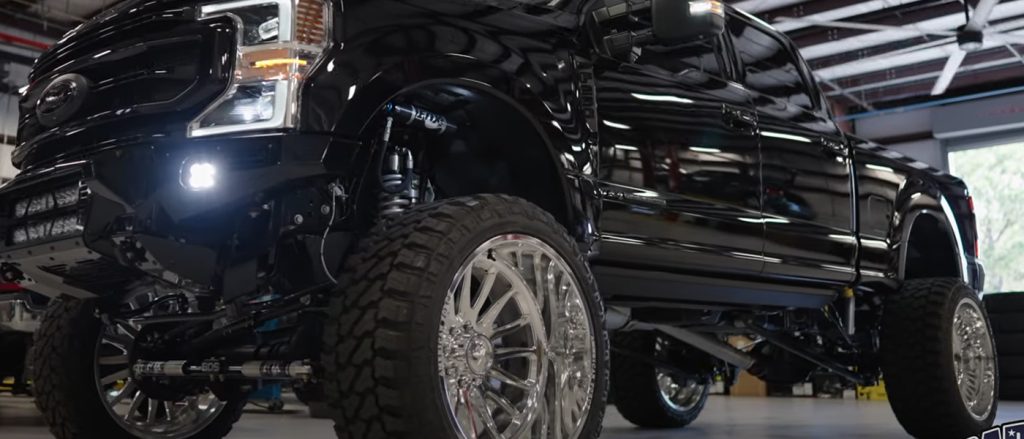
Body lift kits are aftermarket products designed to raise a vehicle’s body by adding spacers or blocks beneath the frame. This increases the distance between the vehicle’s body and the wheels, allowing for larger tires and giving the vehicle a more aggressive, off-road look. A kit generally includes the necessary hardware like spacers, bolts, and brackets, but the specifics can vary between kits and vehicle models. Some kits also come with extended brake lines or shift linkages if necessary.
Cost
The price of a body lift kit can vary widely depending on the type, quality, brand, and vehicle model it’s designed for. On average, basic kits can start from $100, while more comprehensive kits, particularly for larger trucks or SUVs, can cost several hundreds or even thousands of dollars. The cost for professional installation can also range from $200 to $800, depending on the complexity of the lift. Keep in mind that this is a one-time investment that can significantly enhance your vehicle’s performance and aesthetic appeal.
Height Limits
Height limits are important to consider when purchasing a body lift kit. Typically, body lift kits allow for lifts between 1 to 3 inches. Going beyond this could compromise the safety and functionality of the vehicle, as it increases the center of gravity and could make the vehicle unstable. Before deciding on a lift height, it’s essential to research your vehicle’s specifications and the recommendations of the lift kit manufacturer.
The Concept of Belly Up
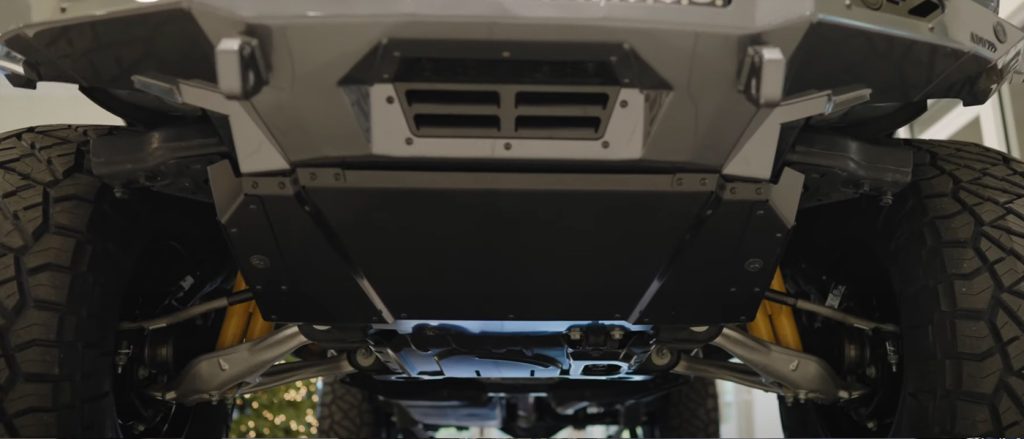
“Belly up” is a term often used in off-road circles, referring to increasing the clearance under the belly of the vehicle – essentially the lowest point of the chassis. This differs from a standard body lift, as the intention is not to fit larger tires but to prevent the undercarriage from getting caught or damaged on rough terrain. This is particularly valuable for rugged off-roaders tackling rocky or uneven surfaces regularly.
Role of Suspension in Body Lifts
While body lift kits focus on lifting the body from the frame, they do not alter the vehicle’s suspension. This means they generally do not affect the vehicle’s ride quality or handling characteristics. However, consider a suspension lift kit or a more significant lift for improved suspension performance. This replaces or modifies components of the vehicle’s suspension system, resulting in a higher lift and potentially better off-road performance at a higher cost.
Importance of Ground Clearance
One of the key benefits of a body lift kit is increased ground clearance. While the actual ground clearance – the distance from the ground to the lowest part of the vehicle – doesn’t change, the body lift allows for the fitting of larger tires, which effectively raises the vehicle’s ground clearance. This will enable you to navigate obstacles and rough terrain more quickly, making your vehicle more versatile and capable in off-road situations.
Benefits of Lifting Your Vehicle
Lifting your vehicle with a body lift kit offers several advantages. Firstly, it enhances the vehicle’s aesthetics, giving it a more rugged, commanding appearance. It allows installing larger, more aggressive tires to improve traction and off-road capability. Additionally, the increased height provides a better view of the road, potentially improving safety. Lastly, providing additional room under the vehicle can make undercarriage repairs and maintenance more accessible.
Beyond practical benefits, a body lift can significantly increase the pleasure and thrill of driving. Whether cruising through the city streets or venturing into off-road territory, a lifted vehicle can add a new dimension to the driving experience.
However, it’s crucial to remember that any vehicle modification should be made carefully. While body lift kits offer many benefits, they also have challenges. A lift could alter the vehicle’s handling characteristics and increase the risk of rollovers due to the higher center of gravity. Therefore, drivers of lifted vehicles should exercise caution and adapt their driving to account for these changes.
Moreover, before purchasing a body lift kit, check local regulations. Some regions restrict vehicle modifications, including how much a vehicle can be lifted.
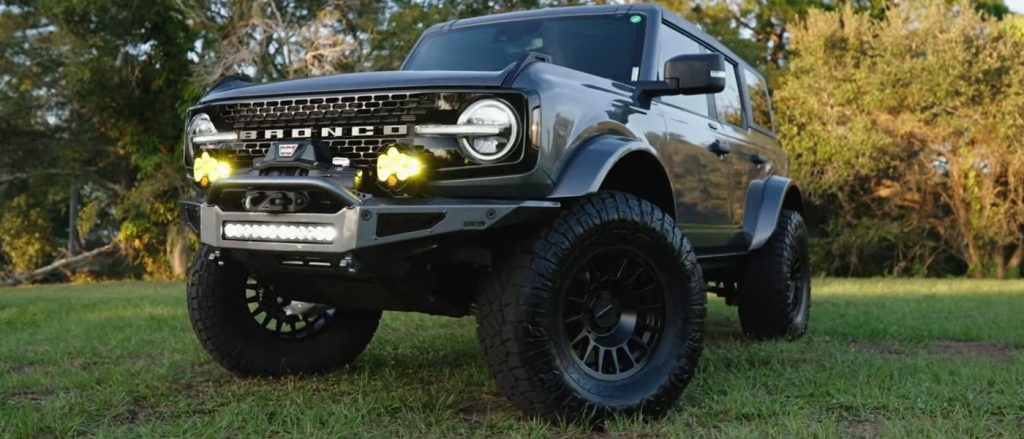
In conclusion, body lift kits can provide a cost-effective way to enhance your vehicle’s appearance and off-road capability. They offer the opportunity to personalize your vehicle and make it uniquely yours. Whether you’re an off-road enthusiast seeking greater performance or simply looking to customize your ride, a body lift kit could be the perfect solution. As always, research thoroughly and consult with professionals to ensure you make the best decision for your vehicle and driving needs.
Remember, the journey of customization is just as exciting as the destination. Enjoy the process, and happy driving!
Lifted Trucks Laws and Regulations
Lifted trucks have become quite a spectacle on highways and city streets. Owners take great pride in customizing their rides, creating eye-catching, sky-high behemoths. But as the height of these trucks increases, so do legal concerns and safety regulations. Understanding the laws and regulations governing lifted trucks, which vary by each U.S. state, is essential.
Lifted Truck Laws
To ensure safety and curb excesses, several parameters have been defined legally regarding the modification of trucks. The key elements of these laws touch on dimensions, wheels & tires, brakes, suspension, frame, bumpers, and general safety requirements.
Dimensions
Regulations around dimensions typically relate to height, length, and width. The specifics depend on the state, but generally, there is a maximum allowable height (often 13.5 feet) beyond which a truck cannot be lifted. Width is often restricted to ensure the vehicle can safely navigate lanes, while length might be controlled to guarantee trucks can maneuver without causing traffic disruptions.
Wheels & Tires
Oversized tires are a common feature on lifted trucks. However, certain rules govern their use. For instance, most states require that fenders cover all tires. Additionally, specific rules may stipulate the use of certain tires to ensure safe road contact and appropriate speed ratings.
Brakes
Increased height often means an increase in mass and momentum. Therefore, brakes must be upgraded to accommodate the changes, ensuring the vehicle can stop within safe distances. Most states require an inspection of the braking system following any significant alteration to a vehicle’s size or weight.
Suspension
The suspension laws deal primarily with how high the vehicle’s chassis or body can be lifted above the frame. Some states set an absolute limit on suspension lift, while others tie the permissible lift to the vehicle’s track width or wheelbase.
Frame
A lifted truck’s frame height is another important consideration, meaning the distance from the ground to the bottom of the vehicle’s frame. Several states have laws dictating the maximum allowable frame height based on the vehicle’s gross vehicle weight rating (GVWR).
Bumpers
The elevation of bumpers after lifting a truck often exceeds the safe limit. There are specific height limits for both front and rear bumpers in most states, intended to align with crash protection features on passenger vehicles.
Safety Requirements
Many states have additional safety requirements for lifted trucks, including running boards, additional lights, special mirrors, and flags or markers for oversized vehicles. Lifted trucks might also need to pass stringent safety inspections before being allowed on public roads.
Lift Kit Laws by State
Due to the length restrictions, I’ll briefly mention the most notable laws in each state. Always consult local regulations or a legal advisor for full, current details.
Alabama
Alabama’s moderate regulations focus on the safe bumper, frame, and suspension heights.
Alaska
In Alaska, bumper height restrictions are based on the GVWR. Extra lighting is required for trucks exceeding a certain height.
Arizona
Arizona is fairly lax on lifted trucks, but restrictions on fender and mud flap requirements are enforced.
Arkansas
Arkansas also has moderate regulations, particularly on brake and tire safety.
California
California has some of the strictest laws regarding lifted trucks, focusing on emissions, frame, and bumper heights.
Colorado
Colorado has standard height restrictions but also requires special permission for oversized tires.
Connecticut
Connecticut regulations are strict on maximum frame height and require safety inspections.
Delaware
Delaware has regulations primarily about safety inspections and maximum allowable heights.
Florida
Florida has strict rules about the height of headlights, taillights, and bumpers.
Georgia
Georgia has strict height restrictions, especially on bumpers and frames.
Hawaii
Hawaii’s regulations focus mainly on safety features, including brakes and tires.
Idaho
Idaho is fairly lenient on lifted trucks, though fender and mud flap regulations are enforced.
Illinois
Illinois regulations are particularly strict about the bumper and frame height.
Indiana
Indiana law emphasizes safe bumper and frame height based on GVWR.
Iowa
Iowa requires regular safety inspections for lifted trucks and has strict height regulations.
Kansas
Kansas laws are moderate, focusing on the safe bumper and frame heights.
Kentucky
Kentucky has some of the most lenient laws, with few restrictions on lift height.
Louisiana
Louisiana focuses on safe bumper heights and requires regular safety inspections.
Maine
Maine laws require safety inspections for lifted trucks and impose restrictions on maximum lift height.
Maryland
Maryland is strict on maximum frame height and requires regular safety inspections.
Massachusetts
Massachusetts focuses on the safe bumper and frame height based on GVWR.
Michigan
Michigan has strict rules on the height of headlights, taillights, and bumpers.
Minnesota
Minnesota laws focus on bumper heights and require safety inspections for lifted trucks.
Mississippi
Mississippi is fairly lenient but enforces bumper and frame height regulations.
Missouri
Missouri requires regular safety inspections and has moderate height restrictions.
Montana
Montana is lenient with few restrictions on lifted trucks, mainly focusing on safety features.
Nebraska
Nebraska laws emphasize bumper and frame height, emphasizing brake and tire safety.
Nevada
Nevada has strict height restrictions and requires regular safety inspections.
New Hampshire
New Hampshire emphasizes safe bumper heights and requires safety inspections.
New Jersey
New Jersey laws are strict about the bumper and frame height and require safety inspections.
New Mexico
New Mexico is fairly lenient, though fender and mud flap regulations are enforced.
New York
New York focuses on safe bumper and frame heights based on GVWR and requires safety inspections.
North Carolina
North Carolina has moderate height restrictions and emphasizes safety features.
North Dakota
North Dakota is fairly lenient but enforces bumper and frame height regulations.
Ohio
Ohio laws focus on safe bumper heights and require regular safety inspections.
Oklahoma
Oklahoma is relatively lenient, with an emphasis on safety features.
Oregon
Oregon has strict rules on the height of headlights, taillights, and bumpers.
Pennsylvania
Pennsylvania requires regular safety inspections and has strict height restrictions.
Rhode Island
Rhode Island focuses on safe bumper heights based on GVWR.
South Carolina
South Carolina laws are moderate, focusing on the safe bumper and frame heights.
South Dakota
Although fender and mud flap regulations are fairly lenient, South Dakota is enforced.
Tennessee
Tennessee has moderate height restrictions and emphasizes safety features.
Texas
Texas focuses on the safe bumper and frame heights and requires safety inspections.
Utah
Utah is relatively lenient but requires safety inspections for lifted trucks.
Vermont
Vermont laws focus on bumper heights and require safety inspections for lifted trucks.
Virginia
Virginia has strict bumper and frame height regulations, emphasizing safety features.
Washington
Washington focuses on the safe bumper and frame heights and requires regular safety inspections.
West Virginia
West Virginia laws are moderate, emphasizing brake and tire safety.
Wisconsin
Wisconsin is strict about maximum frame height and requires regular safety inspections.
Wyoming
Wyoming is relatively lenient but enforces certain safety regulations, including brake and tire safety.
These summarized state-specific laws and regulations are subject to change and should only be considered a general guide. Always consult your local Department of Motor Vehicles or a legal expert for precise information, especially before making any major modifications to your truck. In conclusion, while lifting your truck can add a unique aesthetic, it’s crucial to consider the various laws and regulations to ensure your vehicle is safe, legal, and roadworthy. This will keep you on the right side of the law and make your driving experience more pleasurable. Remember that every modification you make to your truck can impact its handling and safety features, so always ensure these changes meet the required safety standards.
Lifted Trucks Off-roading Events and Trails
The thrill of off-roading in a lifted truck is unmatched by any other driving experience. The elevated viewpoint, the sheer power under the hood, and the capacity to maneuver through the roughest terrains contribute to an adventurous and exhilarating expedition. This blog will delve into some of the best off-roading events for lifted truck enthusiasts, followed by a handy guide on preparing your truck for some of Florida’s most challenging trails.
Best Off-Roading Events
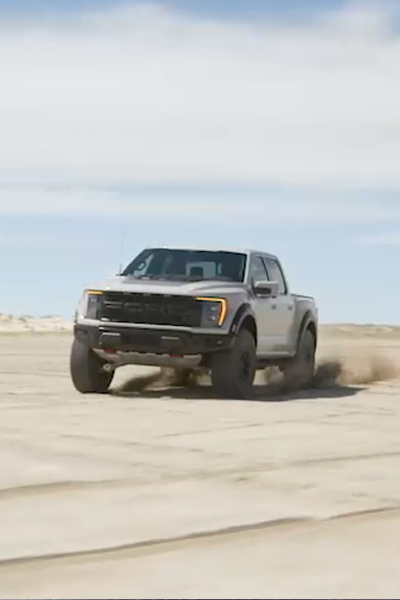
Off-roading events are perfect for testing your lifted truck’s capabilities and meet like-minded enthusiasts. Here are some of the most exciting and prestigious events in the USA.
Dixie Off-road Expo
Dixie Off-road Expo is a weekend-long event in Dixie, Southern Utah, where off-roading enthusiasts gather to show off their rides, get their hands on the latest gear, and participate in various off-roading events. It’s a celebration of off-roading culture, offering an unforgettable experience for all attendees.
King of the Hammers
Known as the most challenging one-day off-road race in the world, King of the Hammers is a must-attend event for any off-roading enthusiast. This race tests man and machine with grueling terrain that mixes high-speed desert racing and slow-speed rock crawling in California’s Johnson Valley.
Baja 1000+
One of the world’s most challenging and prestigious off-road races, the Baja 1000, is a point-to-point race that covers a thousand miles of Mexico’s Baja California Peninsula’s roughest terrains. It demands superb driving skills and a truck that can handle dunes, rocks, and washes.
Easter Jeep Safari
Although the name might suggest otherwise, the Easter Jeep Safari in Moab, Utah, is a fantastic event for all off-roading enthusiasts, not just Jeep owners. This nine-day event offers over 40 trails, ranging from easy scenic drives to difficult rock-crawling routes.
Texas Heatwave
This annual event in Austin, Texas, features a custom truck show, a burnout contest, and plenty of off-road trails. The Texas Heatwave is a perfect blend of performance and go, where lifted trucks are displayed and put through their paces.
Jeepers Jamboree
Jeepers Jamboree is a time-honored event on the renowned Rubicon Trail in California. Despite its Jeep-centric nature, all off-road vehicles, including lifted trucks, are welcome to join the adventure.
Sand Sports Super Show
This event is a paradise for dune lovers. Held in Costa Mesa, California, the Sand Sports Super Show features everything from dune buggies and sand rails to lifted trucks, making it a must-attend for those who love playing in the sand.
Overland Expo
The Overland Expo is a unique event that blends off-roading with overland travel. Here you can participate in off-road driving courses, discover the latest vehicle preparation and equipment, and connect with a community of overlanders.
Get Your Lifted Truck Ready for Floridian Trails
Florida offers some of the most diverse off-roading experiences with its unique terrain. Here’s a quick guide on preparing your lifted truck for some of Florida’s best trails.
Osceola National Forest
This forest has several off-road trails that meander through dense foliage and marshlands. Preparing your truck for this location involves ensuring your tires can handle muddy terrain and checking the waterproofing of your electrical systems.
Redneck Yacht Club Mud Park
Located in Punta Gorda, the Redneck Yacht Club Mud Park features three mud holes, an ATV track, and a truck mud track. Since the park’s main attraction is mud bogging, equip your lifted truck with mud-terrain tires and install a high air intake to prevent water from entering your engine.
Graveyard Mud Park
This park in Bartow, Florida, is the place to be if you love mudding. Similar to the Redneck Yacht Club Mud Park, preparing your truck for the Graveyard involves focusing on tires suited for muddy terrain and ensuring your truck’s waterproofing. In addition, having a winch installed can be a lifesaver in this challenging terrain.
Croom Wildlife Management Area
This 26000-acre site offers an extensive trail system suitable for off-road trucks. Aside from basic mechanical checks, it’s advisable to pack recovery gear like traction mats, tow straps, and a shovel, given the sandy soil that can cause your truck to get stuck.
Big Cypress National Preserve
Off-roading in the Big Cypress National Preserve can be tricky due to its protected status, so always be aware of the rules and stay on designated trails. Your truck should be equipped with good all-terrain tires, and, considering the possibility of water crossings, a snorkel would be a great addition.
Off-roading is an exhilarating sport, but safety should always be a priority. Equip your truck appropriately, maintain it regularly, and respect the environment you are exploring. Whether competing in the King of the Hammers, enjoying the vibrant atmosphere of the Dixie Off-road Expo, or navigating through Florida’s best trails, your adventure in a lifted truck will surely be unforgettable. Enjoy the ride!
Body lift kits have become increasingly popular among truck owners who want to add height and style to their vehicles without breaking the bank. These kits provide a modest lift and are an affordable alternative to more extensive suspension lift kits. In this article, we’ll cover everything you need to know about body lift kits, including their advantages, the installation process, and important considerations when choosing the right kit for your truck. By the end of this comprehensive guide, you’ll be well-equipped to make an informed decision about transforming your truck with a body lift kit.
Advantages of Body Lift Kits
Body lift kits offer several benefits that make them an appealing option for truck owners looking to modify their vehicles. Some of the key advantages include:
Body lift kits are typically more affordable than suspension lift kits, making them an attractive option for budget-conscious truck owners who want to add some height to their vehicles.
Since body lift kits do not alter the truck’s suspension components, they generally have little to no impact on the vehicle’s ride quality or handling characteristics.
By raising the truck’s body, body lift kits can provide additional clearance for larger tires, giving your vehicle a more aggressive appearance and improved off-road capabilities. Body lift kits are relatively straightforward to install compared to suspension lift kits, which often require more extensive modifications and adjustments.
Understanding Body Lift Kits: Components and Installation
Body lift kits consist of spacers, typically made from high-quality polyurethane or aluminum, that are placed between the truck’s body and frame. These spacers effectively raise the body of the truck, providing increased clearance for larger tires and a taller, more aggressive appearance.
The installation process for body lift kits can vary depending on the make and model of your truck, but it generally involves the following steps:
- Support the truck’s body using jack stands or a hydraulic lift to ensure safety during the installation process.
- Disconnect any components that may be affected by the lift, such as the steering linkage, brake lines, or fuel filler neck.
- Loosen and remove the body mount bolts that secure the truck’s body to the frame.
- Place the spacers between the body and frame, aligning them with the body mount locations.
- Reinstall the body mount bolts, securing the spacers and ensuring the body is properly aligned with the frame.
- Reconnect any components that were disconnected during the installation process and make any necessary adjustments to accommodate the lift.
- Lower the truck and perform a thorough inspection to ensure that all components are functioning correctly and the lift has been installed properly.
Considerations for Choosing the Right Body Lift Kit
When selecting a body lift kit for your truck, there are several factors to consider to ensure that you choose the right kit for your needs and preferences:
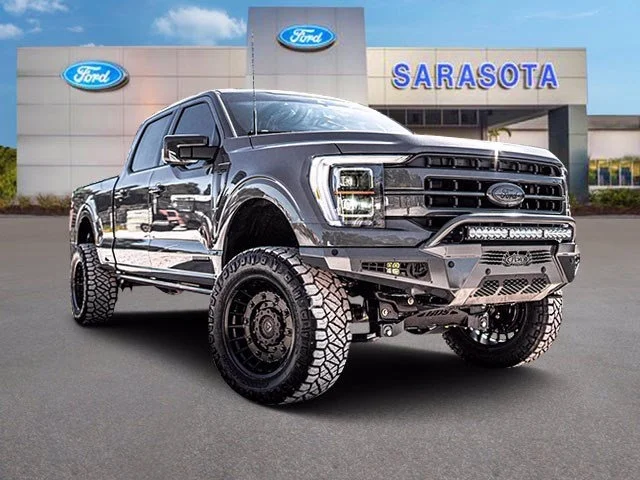
Body lift kits are available in various heights, typically ranging from 1 to 3 inches. Consider your desired lift height and the clearance needed for your preferred tire size when choosing a kit.
Spacers can be made from either polyurethane or aluminum. Both materials are durable and suitable for use in body lift kits, but aluminum spacers may offer slightly better resistance to corrosion and wear over time.
Ensure that the body lift kit you choose is compatible with your truck’s make and model, as kits are often designed specifically for certain vehicle applications.
Research the reputation and quality of the body lift kit manufacturer before making a purchase. Look for reviews from other truck owners who have used the kit to get a better understanding of its performance, durability, and ease of installation. Be aware of any local or state regulations regarding vehicle height and modifications. Ensure that the body lift kit you choose complies with these regulations to avoid potential fines or legal issues.
Consider whether you will be installing the body lift kit yourself or hiring a professional. If you’re inexperienced with this type of modification, it may be worth investing in professional installation to ensure the lift is installed correctly and safely.
Summary – All About Body Lift Kits
Body lift kits are an affordable and popular option for truck owners looking to enhance their vehicle’s appearance and accommodate larger tires without significantly impacting ride quality or handling. By understanding the components, installation process, and important considerations when buying a truck with a lift kit, you can make an informed decision that best suits your needs and preferences.
With a carefully selected and properly installed body lift kit, you can elevate your truck’s appearance and performance, turning heads on the street and conquering off-road terrain with ease. Before you know it, your transformed truck will be a true reflection of your unique style and passion for adventure.
Lifted trucks have gained immense popularity among truck enthusiasts and off-road adventurers. The combination of enhanced performance and striking aesthetics has made these towering vehicles the ultimate symbol of individuality and personal expression. In this article, we will delve into the various customization options for lifted trucks, such as lift kits, suspension modifications, tire and wheel combinations, and other aftermarket accessories. By the end, you’ll have a wealth of knowledge to help you transform your truck into a unique, powerful, and eye-catching machine.
Details About Various Lift Kits
Lift kits are the foundation of any lifted truck customization. They raise the vehicle’s body or suspension to provide increased ground clearance and accommodate larger tires. There are several types of lift kits available, each designed to cater to different preferences and requirements. The most common types include:
Body Lift Kits:
These kits raise the body of the truck from the frame using spacers. Body lift kits typically provide a modest height increase (usually 1-3 inches) and are relatively affordable. They do not affect the suspension or ride quality of the truck, making them an excellent option for those who want a subtle lift without altering the truck’s handling characteristics.
Suspension Lift Kits:
These kits replace or modify the truck’s suspension components to increase its height. Suspension lift kits can provide a more significant lift (usually 4-12 inches) and improve the truck’s off-road capabilities. However, they tend to be more expensive and may require additional modifications to maintain proper steering and alignment.
Leveling Kits:
Leveling kits are designed to raise the front of the truck to level it with the rear. These kits are an affordable option for those who want a more balanced appearance and can also provide additional clearance for larger tires.
Suspension Modifications
In addition to lift kits, there are several suspension modifications that can further enhance the performance and handling of a lifted truck. Some popular suspension modifications include:
- Upgraded Shocks and Struts: Replacing the stock shocks and struts with performance-oriented alternatives can improve the truck’s ride quality, handling, and off-road capabilities. High-quality shocks and struts are designed to handle the increased stress associated with lifted trucks and can provide a smoother and more controlled driving experience.
- Adjustable Control Arms: Adjustable control arms allow for precise alignment adjustments, ensuring optimal suspension geometry and improved handling. This is particularly important for lifted trucks, as the altered suspension geometry can lead to uneven tire wear and poor handling if not properly addressed.
- Sway Bar Upgrades: Upgrading the sway bars can reduce body roll and improve the truck’s handling and stability, especially during cornering and off-road driving.
Tire and Wheel Combinations
Choosing the right tire and wheel combination is critical for both the performance and appearance of a lifted truck. Larger tires provide better traction and off-road capabilities, while aftermarket wheels can add a touch of personal style to the vehicle. When selecting tires and wheels for your lifted truck, consider the following factors:
- Tire Size: Larger tires provide increased ground clearance and improved off-road performance. However, it’s essential to choose a tire size that is compatible with your truck’s lift and suspension components to prevent rubbing or clearance issues.
- Wheel Size and Offset: The wheel size and offset determine how the tires will sit within the wheel wells. An appropriate wheel size and offset will ensure a flush fitment and prevent any interference with the truck’s suspension or body.
- Tire Type: Choose a tire type that suits your driving needs and preferences. All-terrain tires are a popular choice for lifted trucks, as they offer a balance between on-road comfort and off-road capabilities. Mud-terrain tires provide aggressive traction for off-road enthusiasts but may have a rougher ride and increased road noise on pavement. Street or performance tires can also be used for those who prioritize on-road handling and appearance over off-road capabilities.
Other Custom Accessories That Can Enhance a Truck’s Performance and Appearance
There is a vast range of aftermarket accessories available to further customize your lifted truck and enhance its performance and appearance. Our 707 custom performance team can do all types of different upgrade to your vehicles. Some popular options include:
- Bumpers and Grille Guards: Upgraded bumpers and grille guards not only add a rugged and aggressive look to your truck but also provide additional protection against impacts and off-road hazards.
- Winches: A winch is an essential accessory for off-road enthusiasts, as it can help you get out of tricky situations and provide assistance to other vehicles in need.
- Lighting Upgrades: Upgrading your truck’s lighting with LED light bars, fog lights, or auxiliary lights can significantly improve visibility during nighttime off-roading and add a touch of style to your vehicle.
- Performance Upgrades: Enhance your lifted truck’s performance with aftermarket intake systems, exhaust systems, or performance chips, which can improve horsepower, torque, and fuel efficiency.
- Skid Plates: Protect the undercarriage of your lifted truck with skid plates, which shield critical components such as the oil pan, transmission, and transfer case from off-road hazards.
- Fender Flares: Fender flares provide additional coverage for larger tires and give your truck an aggressive, wide-body appearance.
- Side Steps and Nerf Bars: Side steps and nerf bars not only add visual appeal but also provide easier access to the cab and bed of your lifted truck.
Summary – Different Things You Can Customize on Lifted Trucks
Customizing a lifted truck can be an exciting and rewarding experience, as it allows you to create a vehicle that is tailored to your unique preferences and requirements. With a variety of lift kits, suspension modifications, tire and wheel combinations, and other aftermarket accessories available, the possibilities are virtually endless.
By considering the options discussed in this article and working with a trusted professional, you can elevate your truck’s performance and style to new heights, turning heads and conquering trails with confidence.
Lifted trucks have gained immense popularity among truck enthusiasts and off-road adventurers. These towering beasts not only look imposing, but they also provide a myriad of practical benefits for drivers who want to push the limits of their vehicles. In this article, we will explore the advantages of owning a lifted truck, such as improved off-road capabilities, increased ground clearance, and enhanced visibility. By the end, you’ll understand why a lifted truck may be the perfect choice for your next adventure.
Advantages of Owning a Lifted Truck
Lifted trucks come with several benefits that make them a desirable option for many drivers. These advantages include:
- Improved Off-Road Capabilities
- Increased Ground Clearance
- Enhanced Visibility
Let’s dive deeper into these benefits to understand what makes lifted trucks so appealing to truck enthusiasts.
Improved Off-Road Capabilities
One of the most significant benefits of lifted trucks is their improved off-road capabilities. When compared to their stock counterparts, lifted trucks are better equipped to handle rough terrain, steep inclines, and various obstacles that you may encounter during off-road adventures.
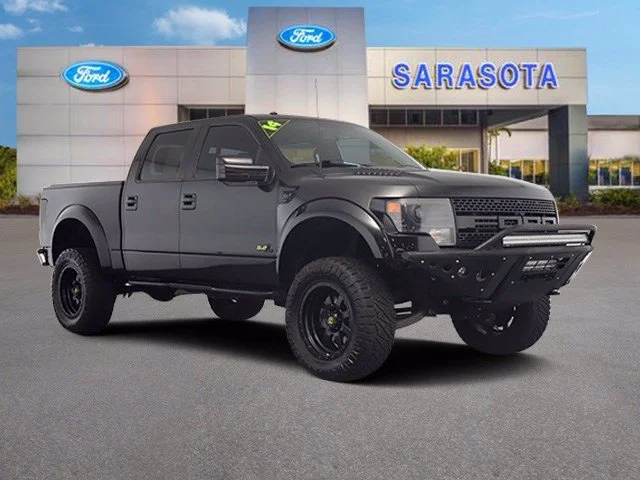
The suspension modifications and larger tires provide enhanced traction and control, allowing drivers to navigate challenging off-road conditions with ease. This increased capability opens up a world of opportunities for those who enjoy exploring the great outdoors and conquering rugged landscapes.
Increased Ground Clearance
Another advantage of lifted trucks is the increased ground clearance they provide. Ground clearance refers to the distance between the lowest point of the truck and the ground.
By raising the truck’s body and suspension, lifted trucks have more space underneath, which allows them to pass over obstacles such as rocks, logs, and deep ruts without sustaining damage to the undercarriage.
Increased ground clearance is particularly beneficial for off-road enthusiasts who frequently encounter uneven terrain and obstacles that could potentially cause harm to their vehicle.
With a lifted truck, drivers can confidently navigate these challenges without worrying about scraping or damaging the underside of their truck.
Aesthetic Appeal of Lifted Trucks
Aside from their practical benefits, lifted trucks also boast a distinct aesthetic appeal that sets them apart from standard trucks. The aggressive stance, oversized tires, and custom suspension components create a bold and rugged look that captures attention wherever they go. This eye-catching appearance exudes power, strength, and adventure, making lifted trucks a symbol of individuality and personal expression for many owners.
Furthermore, the wide variety of aftermarket accessories and customization options available for lifted trucks allows owners to personalize their vehicles to reflect their unique tastes and style. In essence, owning a lifted truck is not just about the performance and capabilities, but also about making a statement and standing out from the crowd.
Enhanced Visibility
Lifted trucks also offer enhanced visibility for drivers. The elevated driving position provides a commanding view of the road ahead, allowing drivers to see further and anticipate potential hazards more easily. This increased visibility is not only advantageous in off-road scenarios but also during everyday driving.
Being able to see more of the road ahead allows drivers to make better decisions, especially in heavy traffic or when navigating unfamiliar areas. Moreover, the higher vantage point can help drivers feel more confident and secure behind the wheel, leading to a more enjoyable driving experience.
Summary – Benefits of Driving Lifted Vehicles
Lifted trucks have become increasingly popular among truck enthusiasts and off-road adventurers for good reason. Their improved off-road capabilities, increased ground clearance, and enhanced visibility provide numerous advantages that make them a compelling option for those who want a versatile and capable vehicle.
If you’re considering buying a lifted truck or lift kit from Sarasota Ford, these benefits should be more than enough to convince you that they’re worth the investment. So go ahead, unleash the beast within, and experience the thrill of driving a lifted truck for yourself!
Insurance and Registration For Lifted Trucks
Lifted trucks, with their enhanced off-road capabilities and striking appearance, are increasingly popular among truck enthusiasts. However, owning a lifted truck comes with unique insurance and registration requirements that may differ from those of a standard truck. This article by Sarasota Ford will provide an in-depth look at the types of insurance and registration needed for lifted trucks, factors affecting coverage and costs, and how to comply with state regulations. By understanding these requirements, you can protect your investment and ensure a smooth ownership experience.
Types of Insurance for Lifted Trucks
Liability Insurance
Liability insurance is mandatory for all vehicle owners, including lifted trucks, and provides coverage in case you’re at fault in an accident that causes injury or property damage to others. Most states require a minimum amount of liability coverage, which typically includes both bodily injury and property damage liability.
Collision and Comprehensive Insurance
Collision insurance covers damages to your lifted truck resulting from a collision with another vehicle or object, while comprehensive insurance covers non-collision related damages, such as theft, vandalism, or natural disasters. These types of coverage are optional but recommended for lifted truck owners, especially if the vehicle is financed or leased.
Custom Parts and Equipment Coverage
Lifted trucks often feature custom parts and modifications that can significantly increase their value. Standard insurance policies may not cover these customizations, so it’s essential to consider adding custom parts and equipment coverage to your policy. This type of coverage protects the investment you’ve made in your truck’s modifications and ensures you’re adequately compensated in the event of a loss.
Factors Affecting Insurance Costs and Coverage for Lifted Trucks
The Extent of Modifications on Your Lifted Vehicle
The extent and cost of the modifications on your lifted truck can directly impact your insurance premiums. Heavily modified trucks are often perceived as riskier by insurance providers, leading to higher premiums. To get the best coverage and rates, be transparent about all modifications when obtaining quotes from insurance companies.
How Much Did You Purchase Your Lifted Truck For?
When you paid for your lifted truck, you can use that value to help quote insurance policies. These policies are based off of what you would like to recover, financially, incase of a loss of that truck. Generally speaking, the more expensive the vehicle, the more expensive the insurance – to a degree.
Safety and Compliance
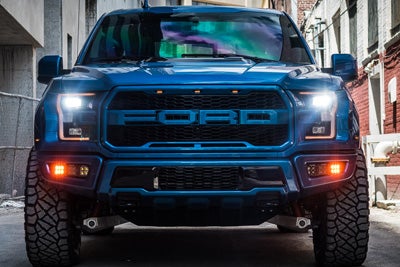
Insurance companies are more likely to offer favorable rates and coverage if your lifted truck complies with state and federal safety regulations. Ensuring your truck meets all requirements, such as maximum height restrictions and proper lighting, can help lower your insurance costs.
Driving Record and Experience
Your driving record and experience will also impact the cost of insurance for your lifted truck. A clean driving record and a history of responsible vehicle ownership can lead to lower premiums. In contrast, a history of accidents or traffic violations can result in higher insurance costs.
Location You Drive Your Lifted Trucks
The location where you live and drive your lifted truck can influence insurance rates. Areas with higher crime rates or a higher likelihood of natural disasters may result in higher premiums due to the increased risk of theft, vandalism, or damage.
Registration Requirements for Lifted Trucks
Does Your Truck Comply with State Regulations?
Each state has its own set of regulations governing lifted trucks, including maximum height restrictions and equipment requirements. Before registering your lifted truck, ensure it complies with your state’s regulations to avoid potential fines or penalties.
Vehicle Inspection
Some states require a safety inspection for modified vehicles, including lifted trucks, before they can be registered. During the inspection, a certified mechanic will verify that your truck meets all safety and equipment requirements. If your truck fails the inspection, you’ll need to make the necessary adjustments before attempting to register the vehicle.
Registration Fees
Registering a lifted truck typically involves paying a registration fee, which can vary depending on your state and the value of your vehicle. Be prepared to pay this fee when registering your lifted truck, and keep in mind that some states may charge higher fees for modified vehicles.
Before registering your lifted truck, you’ll need to provide proof of insurance that meets your state’s minimum coverage requirements. Make sure to obtain the appropriate insurance coverage for your lifted truck, considering the factors discussed earlier in this article.
Is There Emissions Testing In Your Area?
Depending on your state’s regulations, you may also need to complete an emissions test before registering your lifted truck. This test ensures that your vehicle meets the required emissions standards, helping to reduce air pollution. Be prepared to provide proof of passing the emissions test when registering your truck.
Tips for Ensuring Compliance and Reducing Insurance Costs on Lifted Vehicles
Research State Regulations
Before modifying your truck or purchasing a pre-lifted truck, research your state’s regulations governing lifted trucks. Familiarize yourself with the maximum height restrictions, equipment requirements, and inspection procedures to ensure your truck complies with all regulations.
Maintain a Clean Driving Record
A clean driving record can help reduce insurance costs for your lifted truck. Practice safe driving habits, obey traffic laws, and avoid speeding or reckless driving to maintain a positive driving history.
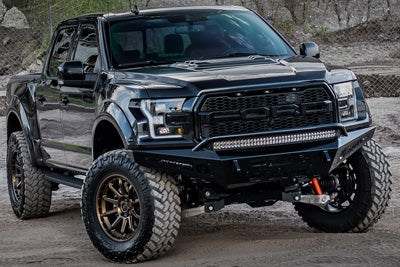
Compare Insurance Quotes
Shop around and compare insurance quotes from multiple providers to find the best coverage and rates for your lifted truck. Be transparent about the modifications on your truck and consider adding custom parts and equipment coverage if necessary.
Bundle Insurance Policies
If you have multiple insurance policies, such as home, auto, and life insurance, consider bundling them with the same provider. Many insurance companies offer discounts for customers who have multiple policies, which can help reduce the overall cost of insuring your lifted truck.
Summary – What Kind of Insurance and Registration Do I Need For My Lifted Truck?
Owning a lifted truck comes with unique insurance and registration requirements that differ from those of standard trucks. Understanding these requirements, including the types of insurance coverage needed and the factors affecting costs, is crucial for protecting your investment and ensuring compliance with state regulations. By following this essential guide and keeping the provided criteria in mind, you’ll be well-equipped to navigate the insurance and registration process for your lifted truck, ensuring a seamless ownership experience and peace of mind on the road.
All About Leveling Kits For Trucks
Leveling kits for trucks have gained popularity among truck enthusiasts looking to improve their vehicle’s performance and appearance. These kits provide an economical and straightforward way to enhance off-road capabilities, balance the vehicle’s stance, and accommodate larger tires. This comprehensive guide will delve into the benefits of leveling kits, the factors to consider when choosing one, and some of the top brands on the market. By the end of this article, you’ll have the knowledge you need to make an informed decision and upgrade your truck’s performance.
Benefits of Leveling Kits for Trucks
Improved Off-Road Performance
Leveling kits raise the front of your truck, providing additional ground clearance for improved off-road performance. This increased clearance allows your vehicle to tackle challenging terrains with ease and avoid potential damage from obstacles.
Enhanced Appearance
A leveled truck has a more aggressive and balanced stance compared to its factory setting. This can significantly improve the vehicle’s aesthetics and make it stand out on the road.
Accommodate Larger Tires
Leveling kits create extra space in the wheel well, allowing for the installation of larger tires. These larger tires can provide better traction, improved off-road performance, and a more rugged appearance.
Finding Lifted Trucks For Sale
For those who would rather buy a lifted truck, check out Sarasota Ford. We have one of the largest dedicated teams to producing some of the best customs trucks in the entire country.
If you’d rather do everything yourself, let’s go ahead and address some of the things you need to look for when choosing your leveling kit.
Factors to Consider When Choosing a Leveling Kit
Type of Leveling Kit
There are two main types of leveling kits: spacer leveling kits and torsion key leveling kits. Spacer leveling kits use spacers to raise the front of the truck, while torsion key leveling kits adjust the torsion bar for the desired height. Both options have their advantages and disadvantages, so it’s crucial to research and determine which one suits your needs.
Material
The material used in leveling kits can significantly impact their durability and performance. High-quality materials, such as aircraft-grade aluminum or steel, ensure that the kit will last for a long time and withstand harsh conditions.
Compatibility
It’s essential to choose a leveling kit that is compatible with your truck’s make, model, and year. Some kits are designed specifically for certain vehicles, while others offer universal compatibility. Make sure to check the compatibility before making a purchase to avoid potential issues.
Installation of Custom Parts
Consider the installation process when choosing a leveling kit. Some kits can be installed using basic tools and do not require professional assistance, while others may need specialized tools and expertise. If you’re not comfortable with DIY projects, you might want to opt for a kit that offers easy installation or seek professional help.
Should you seek professional help, look to hire our professional 707 custom team.
Top Brands for Leveling Kits
ReadyLIFT
ReadyLIFT is a reputable brand known for producing high-quality suspension components, including leveling kits. Their kits are designed for various truck models and provide exceptional durability and performance. ReadyLIFT leveling kits are made from aircraft-grade aluminum, ensuring long-lasting performance and resistance to corrosion.
Pro Comp
Pro Comp is another popular brand in the truck suspension market, offering a wide range of leveling kits for different makes and models. Their kits are designed for easy installation and come with detailed instructions to guide you through the process. Pro Comp leveling kits are made from high-strength materials for reliable performance and durability.
Rough Country
Rough Country is a well-known brand among off-road enthusiasts, offering a variety of leveling kits for trucks. Their kits are designed to provide a smooth, factory-like ride while maintaining the vehicle’s performance. Rough Country leveling kits come with everything you need for a straightforward installation and are backed by a lifetime warranty.
Supreme Suspensions
Supreme Suspensions is a trusted name in the aftermarket suspension industry, offering a range of leveling kits designed for optimal performance and durability. Their kits are engineered to provide the perfect balance between comfort and functionality, ensuring that your truck performs at its best. Supreme Suspensions leveling kits are made from high-quality materials and come with a satisfaction guarantee.
Tuff Country
Tuff Country is another reputable brand in the truck suspension market, specializing in leveling kits for various truck models. Their kits are designed for easy installation and are made from top-grade materials for long-lasting performance. Tuff Country leveling kits provide improved ground clearance and allow for larger tires, enhancing your truck’s off-road capabilities.
Installing Leveling Kits
Read the Instructions
Before starting the installation process, thoroughly read the manufacturer’s instructions provided with the leveling kit. This will help you understand the steps involved and ensure a successful installation.
Gather the Necessary Tools
Make sure you have all the necessary tools for the installation, as specified in the instructions. Some common tools required for leveling kit installations include a socket set, torque wrench, and jack stands. Having the right tools on hand will make the process smoother and more efficient.
Safety First
Always prioritize safety when working on your truck. Use jack stands to support the vehicle securely and wear appropriate personal protective equipment (PPE) such as gloves and safety glasses.
Seek Professional Help if Needed
If you’re not comfortable installing the leveling kit yourself or encounter any issues during the process, don’t hesitate to seek professional assistance. An experienced mechanic or suspension specialist can ensure a proper installation, saving you time and potential frustration.
Summary – Leveling Kits For Your Lifted Truck
Leveling kits for trucks offer numerous benefits, from improved off-road performance and enhanced aesthetics to the ability to accommodate larger tires. When choosing a leveling kit, consider factors such as the type of kit, material, compatibility, and installation requirements.
Top brands such as ReadyLIFT, Pro Comp, Rough Country, Supreme Suspensions, and Tuff Country offer reliable and high-quality leveling kits for various truck models.
By following this comprehensive guide and keeping the provided criteria in mind, you’ll be well-equipped to make an informed decision when selecting a leveling kit for your truck. Invest in a high-quality kit to upgrade your truck’s performance, appearance, and capabilities for a more satisfying driving experience.
Lifted Ford Broncos For Sale in Florida
Florida, known for its beautiful beaches, picturesque landscapes, and diverse wildlife, offers a plethora of off-roading opportunities for adventure enthusiasts. One of the most iconic off-road vehicles that can help you traverse the terrain with ease is the lifted Ford Bronco. In this comprehensive guide, we will delve into the world of lifted Broncos for sale in Florida and provide you with essential tips to find the perfect off-road machine to conquer the Sunshine State.
Understanding the Allure of Lifted Broncos
Before embarking on your quest to find the ideal lifted Bronco in Florida, it’s crucial to understand what sets this off-road legend apart from the competition. Ford Broncos, initially introduced in 1966, quickly gained popularity for their durability, versatility, and off-road capabilities. Over the years, the Bronco has evolved into a modern off-roading machine, while maintaining its classic charm.
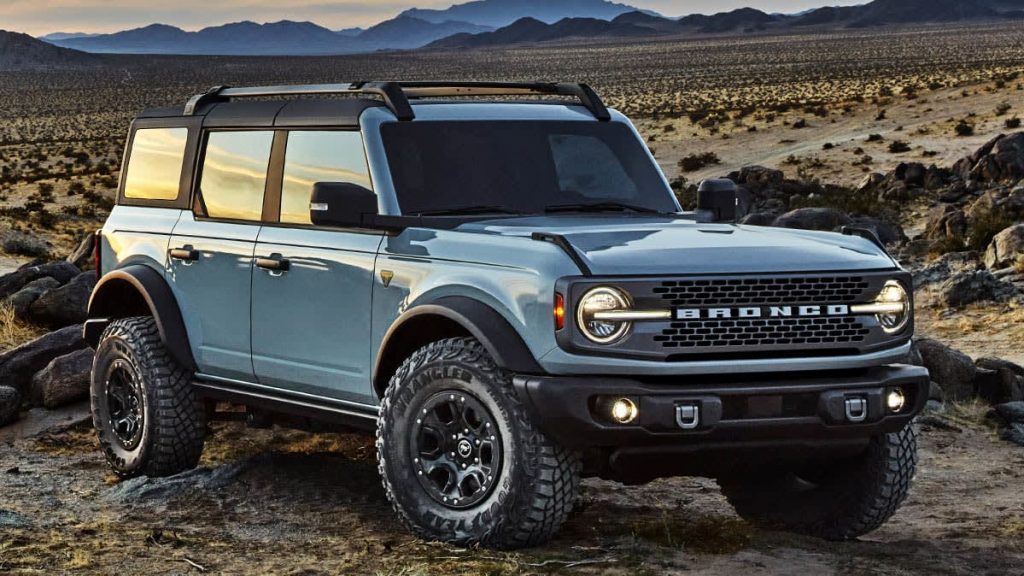
Lifting a Bronco offers several advantages for off-road enthusiasts. The increased ground clearance improves the vehicle’s ability to tackle rough terrains and helps avoid potential damage to the undercarriage.
Moreover, lifted Broncos allow for the installation of larger tires, which further enhances off-road performance and provides a more aggressive appearance.
Identifying Reputable Lifted Bronco Dealers in Florida
When searching for lifted Broncos for sale in Florida, it is essential to identify reputable dealers who have a proven track record of offering quality vehicles and exceptional customer service. Sarasota Ford is one of these reputable dealers. To ensure you’re working with a trustworthy dealer, consider the following tips:
- Research the dealer’s reputation online: Look for customer reviews and testimonials to gauge the overall satisfaction of previous buyers. A reputable dealer should have a strong online presence and numerous positive reviews.
- Verify certifications and memberships: Check if the dealer is a member of the Better Business Bureau (BBB) or other relevant industry associations. These organizations often require dealers to uphold strict ethical standards and customer service practices.
- Inquire about warranties and after-sales support: A reliable dealer should offer some form of warranty or guarantee on their lifted Broncos, as well as provide after-sales support to ensure your satisfaction.
Inspecting Lifted Broncos for Quality and Performance
Once you have identified a reputable dealer, it’s time to inspect the lifted Broncos on offer. To ensure you’re purchasing a high-quality, well-maintained vehicle, keep the following factors in mind:
- Suspension and lift kit: Check the quality and condition of the suspension components and lift kit. Make sure that the parts are from reputable manufacturers and have been installed correctly.
- Frame and body integrity: Inspect the Bronco for any signs of rust, corrosion, or structural damage. A lifted Bronco should have a solid frame and body to withstand off-road adventures.
- Tires and wheels: Ensure that the tires have ample tread and are suitable for off-road use. The wheels should be in good condition and properly aligned.
- Engine and transmission: Verify that the engine and transmission are in good working order, with no signs of excessive wear or leaks.
Understanding the Legal Requirements for Lifted Broncos in Florida
Before purchasing a lifted Bronco in Florida, it’s essential to understand the state’s legal requirements for modified vehicles. In Florida, lifted vehicles must meet specific guidelines, such as:
- Maximum bumper height: The maximum allowable bumper height for a lifted vehicle in Florida is 28 inches for the front and 30 inches for the rear.
- Maximum frame height: The maximum frame height for a lifted vehicle in Florida is 28 inches for vehicles with a gross vehicle weight rating (GVWR) of 4,500 pounds or less, 29 inches for vehicles with a GVWR between 4,501 and 7,500 pounds, and 30 inches for vehicles with a GVWR between 7,501 and 10,000 pounds.
- Headlight and taillight height: Florida law requires that the headlights on a lifted vehicle be no higher than 54 inches and no lower than 24 inches from the ground. Taillights must be no higher than 72 inches and no lower than 20 inches from the ground.
- Fender and mud flap requirements: Lifted vehicles in Florida must have fenders that cover the full width of the tire, and mud flaps are required on the rear wheels if the vehicle’s body does not provide adequate protection from thrown debris.
Securing Financing and Insurance for Your Lifted Bronco
After finding the perfect lifted Bronco in Florida, you’ll need to secure financing and insurance. These steps can sometimes be more challenging for lifted vehicles, but with careful planning, you can overcome these obstacles.
- Financing: Some financial institutions may have stricter lending criteria for lifted vehicles due to perceived higher risks. To increase your chances of securing financing, consider working with a lender that specializes in financing lifted and modified vehicles. Alternatively, you could also explore financing options through the dealer.
- Insurance: Insurance premiums for lifted Broncos may be higher due to increased risk factors such as potential rollovers and accidents. To find the best insurance rates, obtain multiple quotes from different providers and consider working with an insurance agent who specializes in modified and lifted vehicles.
Preparing for Off-Roading Adventures in Florida
With your lifted Bronco purchased, financed, and insured, you’re ready to embark on exciting off-roading adventures in Florida. To make the most of your experience, take the following steps:
- Familiarize yourself with local off-road trails: Florida offers a wide range of off-roading opportunities, from sandy beaches to lush forests. Research the best off-road trails in the state, and make sure to adhere to any rules or restrictions set by the managing authorities.
- Gather essential off-roading gear: Equip your lifted Bronco with necessary off-roading gear such as a winch, recovery straps, first aid kit, and spare tire. Additionally, invest in a reliable GPS or navigation system to help you navigate the trails safely.
- Join a local off-roading community: Connecting with fellow off-road enthusiasts can provide valuable insights, tips, and camaraderie as you explore Florida’s diverse terrain. Look for local off-roading clubs or online forums where you can share experiences and learn from others who share your passion for lifted Broncos and off-road adventures.
Summary – Embrace the Thrill of Off-Roading with a Lifted Bronco in Florida
By following this comprehensive guide, you’ll be well-equipped to find the perfect lifted Bronco for sale in Florida, ensuring a thrilling off-roading experience in the Sunshine State. With careful research, thorough inspections, and adherence to local regulations, you can confidently purchase a lifted Bronco that meets your needs and exceeds your expectations. Happy trails!
At Sarasota Ford, we believe lifted trucks are a popular choice among off-road enthusiasts and those seeking a unique, commanding presence on the road. However, purchasing a lifted truck can be a complex process that requires careful consideration and research. In this article, we’ll provide valuable advice on what to look for in terms of quality, potential issues, and how to negotiate a fair price when purchasing a lifted truck. By following these suggestions, you can confidently buy a lifted truck that meets your needs and expectations.
Understand the Purpose and Usage of the Lifted Truck You Want to Purchase
Before diving into the specifics of purchasing a lifted truck, it’s essential to understand your primary purpose for owning or purchasing a lifted truck.
Are you looking for a truck for off-roading adventures, or do you want a lifted truck mainly for its aesthetic appeal?
Knowing your intended usage will help you focus on the features and specifications that matter most to you and ensure that the truck you choose aligns with your needs.
Check the Quality of the Lift and Suspension Components
One of the most critical aspects of a lifted truck is the quality of its lift kit and suspension components. A well-installed, high-quality lift kit will provide a smooth ride, proper handling, and durability. To assess the quality of the lift and suspension components, consider the following:
- Research the brand and type of lift kit installed on the truck. Reputable brands and professionally installed kits are more likely to provide reliable performance and longevity.
- Inspect the suspension components for signs of wear, damage, or poor installation. Look for uneven gaps, loose bolts, or signs of rust and corrosion.
- Test drive the truck to evaluate its handling, ride quality, and overall performance. A well-lifted truck should drive smoothly without excessive body roll or vibrations.
Evaluate the Condition of Tires and Wheels
Lifted trucks often have larger, more aggressive tires and wheels, which can be expensive to replace. When purchasing a lifted truck, pay close attention to the condition of the tires and wheels:
- Check the tread depth and look for uneven wear patterns, which could indicate alignment issues.
- Inspect the wheels for signs of damage, such as bends, cracks, or excessive corrosion.
- Ensure that the tires are properly inflated and match the manufacturer’s recommended specifications for the truck.
Inspect the Drivetrain and Other Mechanical Components
The added strain of a lift and larger tires can cause increased wear on a truck’s drivetrain and other mechanical components. To ensure the lifted truck you’re considering is in good condition, thoroughly inspect the following:
- Check the driveshafts, U-joints, and CV joints for signs of wear or damage.
- Inspect the engine, transmission, and differentials for leaks or other issues.
- Evaluate the condition of the truck’s brake system, including pads, rotors, and fluid levels.
Assess the Truck’s Overall Condition and Maintenance History
In addition to evaluating the specific components related to the truck’s lift, it’s crucial to consider the overall condition and maintenance / service history of the vehicle:
- Look for signs of rust, body damage, or poorly executed repairs, which could indicate underlying issues or neglect.
- Review the truck’s maintenance records, if available, to ensure that it has been consistently maintained according to the manufacturer’s recommendations.
- Obtain a vehicle history report to check for any previous accidents, title issues, or odometer discrepancies.
Be Aware of Potential Legal and Insurance Issues
Lifted trucks may be subject to unique legal and insurance requirements, depending on your location. Before purchasing a lifted truck, research your local laws and regulations regarding lifted vehicles, as well as any potential insurance implications:
- Verify that the truck’s lift height and modifications comply with local laws and regulations, which may vary by state or municipality.
- Consult with your insurance provider to determine any potential impacts on your insurance premiums, coverage, or eligibility. Some insurers may charge higher rates for lifted trucks or require specific modifications to be covered.
- Ensure that the truck has passed any required inspections or certifications related to its modifications. This may include emissions testing, safety inspections, or vehicle registration requirements.
Negotiating a Fair Price for Your Lifted Truck
Once you’ve thoroughly evaluated a lifted truck’s quality and condition, it’s time to negotiate a fair price. Keep the following tips in mind to ensure you get the best deal possible:
- Research comparable lifted trucks in your area to determine the average market price. Factors such as the truck’s make, model, age, mileage, and the quality of its modifications will all affect its value.
- Consider any necessary repairs or maintenance tasks that may need to be completed after purchase, and factor these costs into your negotiation.
- Be prepared to walk away from a deal if the seller is unwilling to negotiate or if the truck does not meet your standards for quality and condition.
- Don’t be afraid to ask for concessions, such as having the seller complete specific repairs or maintenance tasks, or including accessories or upgrades as part of the deal.
Summary – Sarasota Ford’s Tips for Buying Lifted Trucks
Purchasing a lifted truck from Sarasota Ford, or even any other dealer for that matter, can be an exciting and rewarding experience, but it also requires careful consideration and research. By following the suggestions and advice in this article, you can confidently evaluate the quality, potential issues, and value of a lifted truck, ensuring that you make an informed decision and negotiate a fair price. With the right lifted truck in your possession, you’ll be ready to tackle any off-road adventure or simply enjoy the commanding presence of your unique vehicle on the road.
Connect with us