2024 Ford F-150 Body Styles: A Complete Overview

Are you curious about the 2024 Ford F-150’s body styles and configurations? This truck is America’s top seller. It comes with various cab styles, bed sizes, and trim levels for every truck lover.
The 2024 Ford F-150 lineup has new updates. These include 4WD from Lariat to Platinum trims and a strong 2.7L EcoBoost V6 engine. It has six engines, from 325 HP to 720 HP, for great performance and power.
Read the rest of this entry »2024 Ford F-150 Weight: Specs and Insights

The 2024 Ford F-150 curb weight varies by trim and configuration, ranging from about 4,021 to 5,540 pounds. On the lighter end, a 4×2 Regular Cab equipped with the 2.7L EcoBoost engine weighs around 4,021 lbs. At the heavier end, a 4×4 SuperCrew powered by the 3.5L PowerBoost Full Hybrid V6 tips the scales at approximately 5,540 lbs.
Read the rest of this entry »2024 Ford F-150 MPG: Fuel Efficiency Insights

Can a full-size pickup truck be both fuel-efficient and powerful? The 2024 Ford F-150 says “yes”. It has changed a lot, adding new tech like EcoBoost engines and hybrid powertrains. These changes have made it more fuel-efficient without losing its strength.
Read the rest of this entry »
Wondering how much the 2024 Ford F-150 can tow? The 2024 F-150’s towing capacity might surprise you. It’s a legendary truck that’s always redefining what is possible for truck towing. It comes with powerful engine torque and an enhanced ability to tow more than ever before.
Read the rest of this entry »Ford Bronco vs Bronco Sport: Key Differences
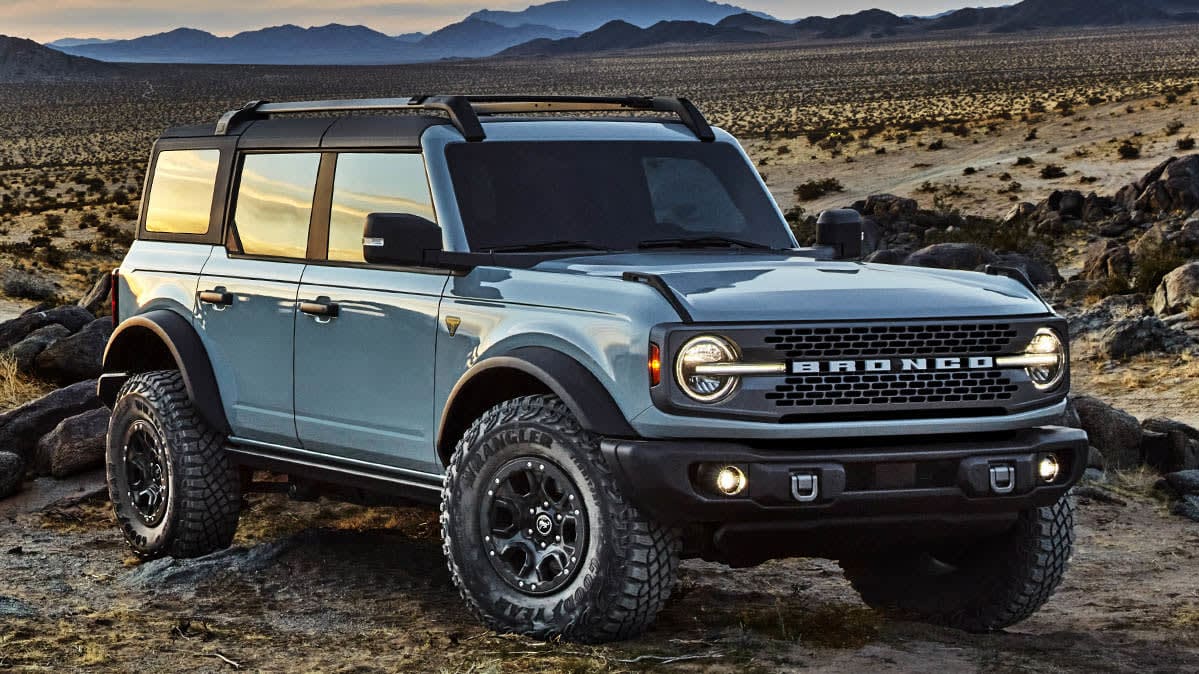
Starting a new journey? Choosing the right partner is key. Are you into the bold and strong, or the sleek yet sporty? The battle of the Ford Bronco vs Bronco Sport is quite interesting. Each has its own special traits. They fit different adventure styles. But which one matches your adventure spirit and needs for performance, features, and off-road power? Whether you love rugged trails or city streets, we’ll look at prices and check out the interior and exterior designs. Let’s find your perfect travel buddy.
Read the rest of this entry »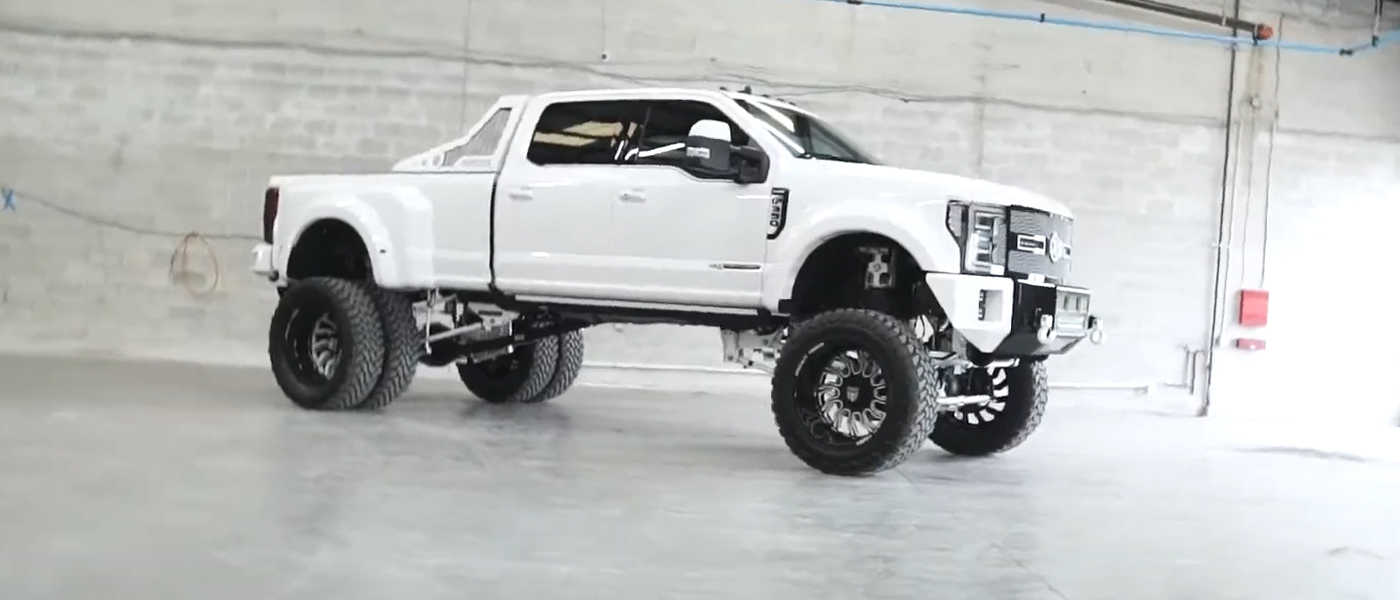
When it comes to buying lifted trucks, options are usually divided between two primary sources: dealerships and private sellers. Each presents a unique set of advantages and disadvantages. Here, we’ll delve into these aspects to give you a comprehensive understanding of both venues so you can make an informed decision.
Read the rest of this entry »How to Locate Local Lifted Truck Clubs in Your Area
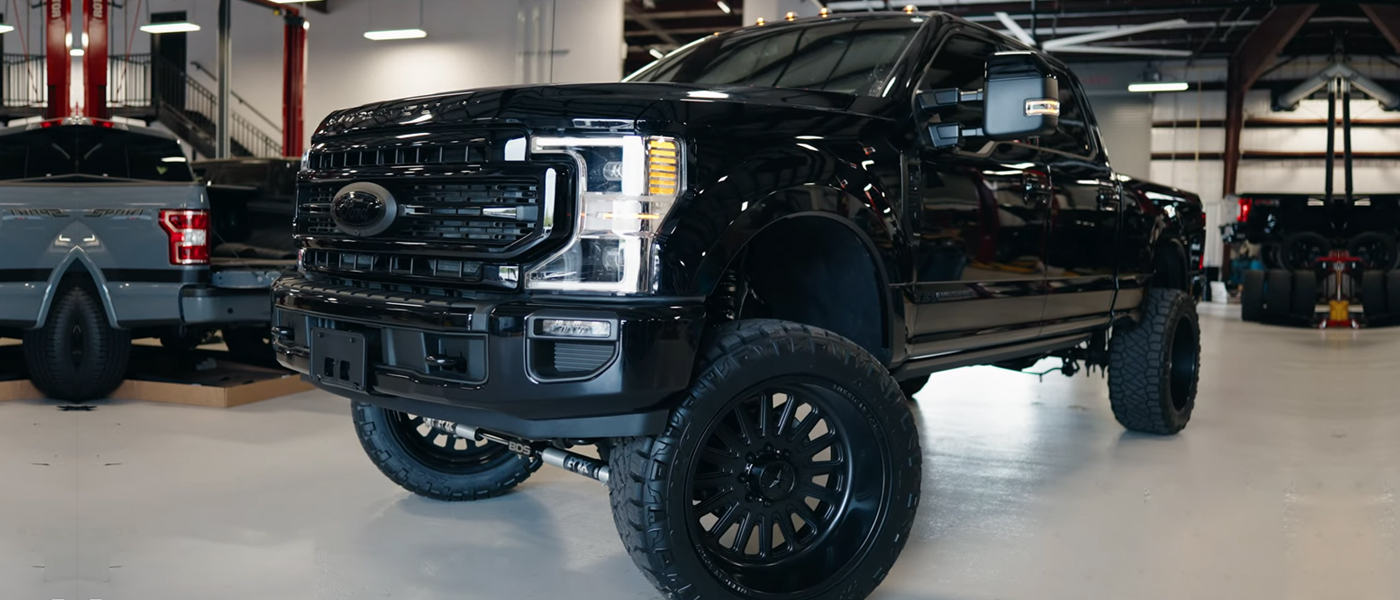
For many, lifted trucks are more than just vehicles – they symbolize a lifestyle and a community. These high-rising beasts command attention on the road and create opportunities for like-minded individuals to connect, share experiences, and learn from each other. This blog post will guide you through various ways to find lifted truck clubs in your local area and how you can utilize these clubs to enhance your lifted truck journey.
Read the rest of this entry »Body Lift Kits Basics: Everything You Need To Know
In recent years, automotive customization has become increasingly popular, and body lift kits have emerged as a key part of this trend. Lift kits offer an excellent solution for off-road enthusiasts or anyone looking to enhance their vehicle’s aesthetic and functionality. Let’s delve into what they are, how much they cost, their height limits, what “belly up” means, their impact on suspension and ground clearance, and their many benefits.
Body Lift Kits
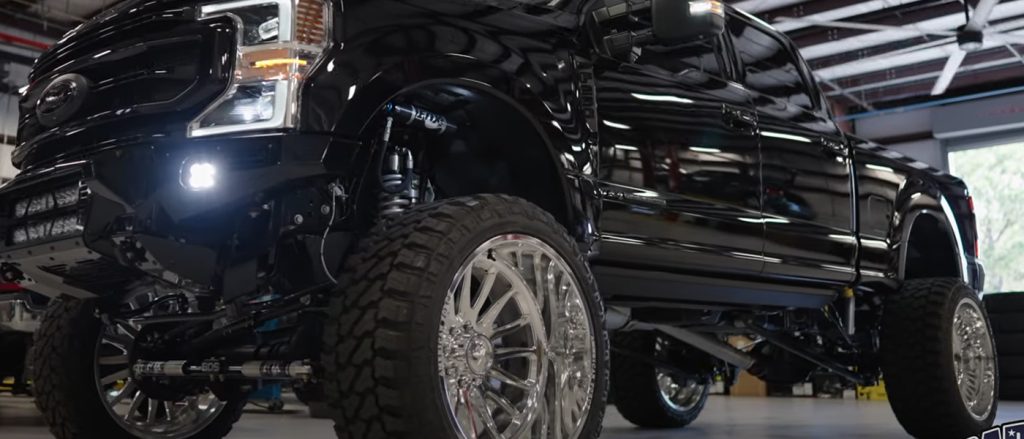
Body lift kits are aftermarket products designed to raise a vehicle’s body by adding spacers or blocks beneath the frame. This increases the distance between the vehicle’s body and the wheels, allowing for larger tires and giving the vehicle a more aggressive, off-road look. A kit generally includes the necessary hardware like spacers, bolts, and brackets, but the specifics can vary between kits and vehicle models. Some kits also come with extended brake lines or shift linkages if necessary.
Cost
The price of a body lift kit can vary widely depending on the type, quality, brand, and vehicle model it’s designed for. On average, basic kits can start from $100, while more comprehensive kits, particularly for larger trucks or SUVs, can cost several hundreds or even thousands of dollars. The cost for professional installation can also range from $200 to $800, depending on the complexity of the lift. Keep in mind that this is a one-time investment that can significantly enhance your vehicle’s performance and aesthetic appeal.
Height Limits
Height limits are important to consider when purchasing a body lift kit. Typically, body lift kits allow for lifts between 1 to 3 inches. Going beyond this could compromise the safety and functionality of the vehicle, as it increases the center of gravity and could make the vehicle unstable. Before deciding on a lift height, it’s essential to research your vehicle’s specifications and the recommendations of the lift kit manufacturer.
The Concept of Belly Up
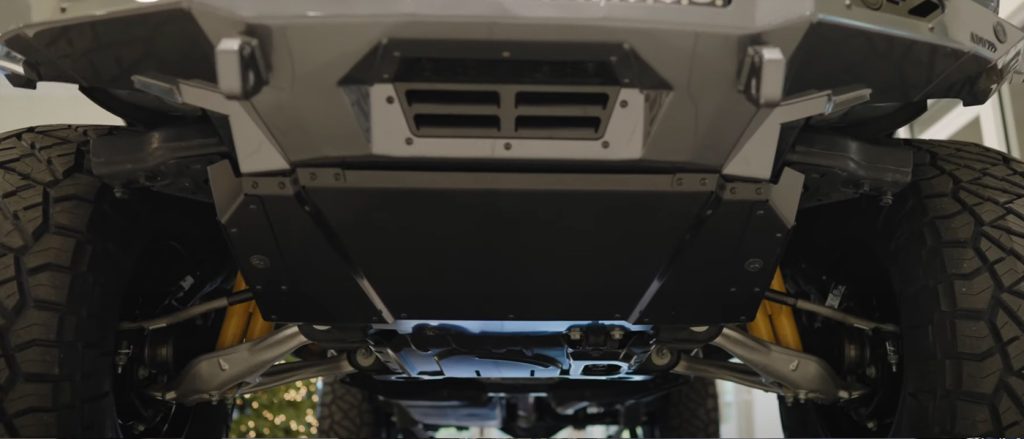
“Belly up” is a term often used in off-road circles, referring to increasing the clearance under the belly of the vehicle – essentially the lowest point of the chassis. This differs from a standard body lift, as the intention is not to fit larger tires but to prevent the undercarriage from getting caught or damaged on rough terrain. This is particularly valuable for rugged off-roaders tackling rocky or uneven surfaces regularly.
Role of Suspension in Body Lifts
While body lift kits focus on lifting the body from the frame, they do not alter the vehicle’s suspension. This means they generally do not affect the vehicle’s ride quality or handling characteristics. However, consider a suspension lift kit or a more significant lift for improved suspension performance. This replaces or modifies components of the vehicle’s suspension system, resulting in a higher lift and potentially better off-road performance at a higher cost.
Importance of Ground Clearance
One of the key benefits of a body lift kit is increased ground clearance. While the actual ground clearance – the distance from the ground to the lowest part of the vehicle – doesn’t change, the body lift allows for the fitting of larger tires, which effectively raises the vehicle’s ground clearance. This will enable you to navigate obstacles and rough terrain more quickly, making your vehicle more versatile and capable in off-road situations.
Benefits of Lifting Your Vehicle
Lifting your vehicle with a body lift kit offers several advantages. Firstly, it enhances the vehicle’s aesthetics, giving it a more rugged, commanding appearance. It allows installing larger, more aggressive tires to improve traction and off-road capability. Additionally, the increased height provides a better view of the road, potentially improving safety. Lastly, providing additional room under the vehicle can make undercarriage repairs and maintenance more accessible.
Beyond practical benefits, a body lift can significantly increase the pleasure and thrill of driving. Whether cruising through the city streets or venturing into off-road territory, a lifted vehicle can add a new dimension to the driving experience.
However, it’s crucial to remember that any vehicle modification should be made carefully. While body lift kits offer many benefits, they also have challenges. A lift could alter the vehicle’s handling characteristics and increase the risk of rollovers due to the higher center of gravity. Therefore, drivers of lifted vehicles should exercise caution and adapt their driving to account for these changes.
Moreover, before purchasing a body lift kit, check local regulations. Some regions restrict vehicle modifications, including how much a vehicle can be lifted.
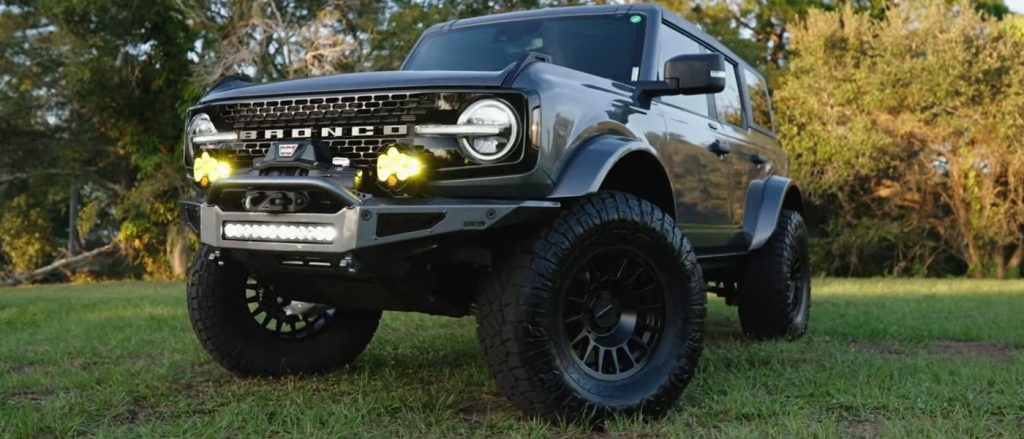
In conclusion, body lift kits can provide a cost-effective way to enhance your vehicle’s appearance and off-road capability. They offer the opportunity to personalize your vehicle and make it uniquely yours. Whether you’re an off-road enthusiast seeking greater performance or simply looking to customize your ride, a body lift kit could be the perfect solution. As always, research thoroughly and consult with professionals to ensure you make the best decision for your vehicle and driving needs.
Remember, the journey of customization is just as exciting as the destination. Enjoy the process, and happy driving!
Lifted Trucks Laws and Regulations
Lifted trucks have become quite a spectacle on highways and city streets. Owners take great pride in customizing their rides, creating eye-catching, sky-high behemoths. But as the height of these trucks increases, so do legal concerns and safety regulations. Understanding the laws and regulations governing lifted trucks, which vary by each U.S. state, is essential.
Lifted Truck Laws
To ensure safety and curb excesses, several parameters have been defined legally regarding the modification of trucks. The key elements of these laws touch on dimensions, wheels & tires, brakes, suspension, frame, bumpers, and general safety requirements.
Dimensions
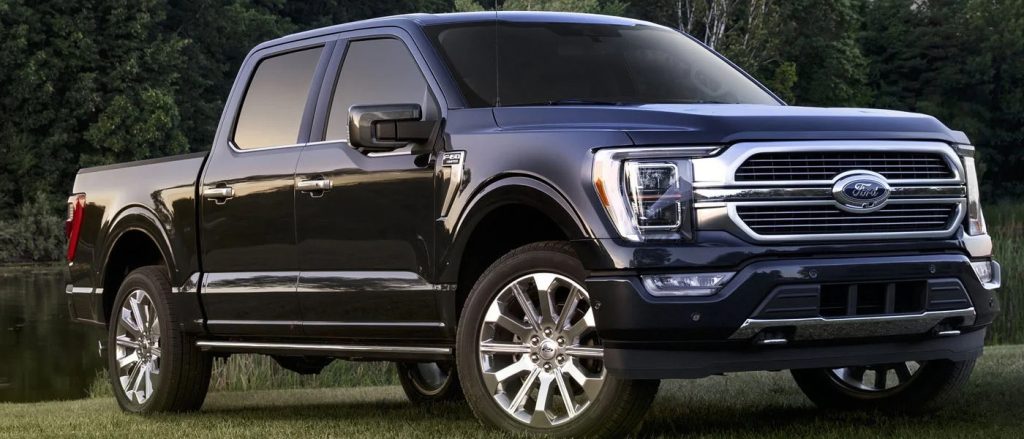
Regulations around dimensions typically relate to height, length, and width. The specifics depend on the state, but generally, there is a maximum allowable height (often 13.5 feet) beyond which a truck cannot be lifted. Width is often restricted to ensure the vehicle can safely navigate lanes, while length might be controlled to guarantee trucks can maneuver without causing traffic disruptions.
Wheels & Tires
Oversized tires are a common feature on lifted trucks. However, certain rules govern their use. For instance, most states require that fenders cover all tires. Additionally, specific rules may stipulate the use of certain tires to ensure safe road contact and appropriate speed ratings.
Brakes
Increased height often means an increase in mass and momentum. Therefore, brakes must be upgraded to accommodate the changes, ensuring the vehicle can stop within safe distances. Most states require an inspection of the braking system following any significant alteration to a vehicle’s size or weight.
Suspension
The suspension laws deal primarily with how high the vehicle’s chassis or body can be lifted above the frame. Some states set an absolute limit on suspension lift, while others tie the permissible lift to the vehicle’s track width or wheelbase.
Frame
A lifted truck’s frame height is another important consideration, meaning the distance from the ground to the bottom of the vehicle’s frame. Several states have laws dictating the maximum allowable frame height based on the vehicle’s gross vehicle weight rating (GVWR).
Bumpers
The elevation of bumpers after lifting a truck often exceeds the safe limit. There are specific height limits for both front and rear bumpers in most states, intended to align with crash protection features on passenger vehicles.
Safety Requirements
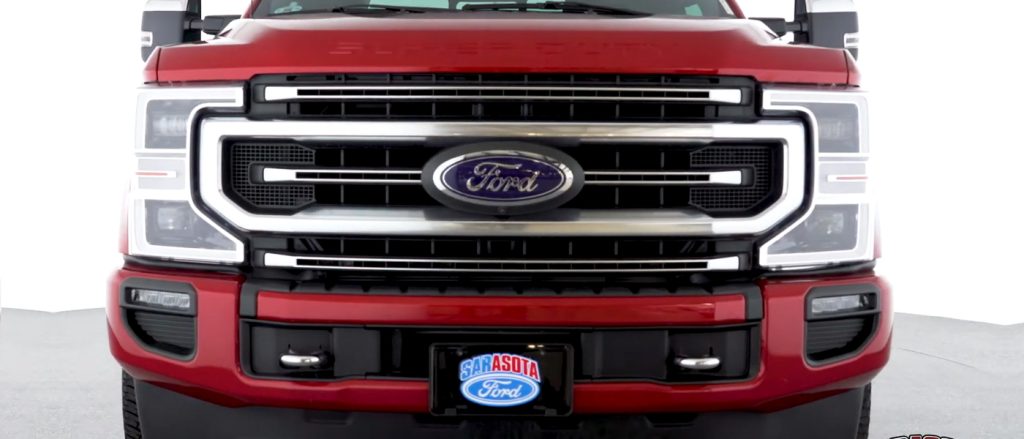
Many states have additional safety requirements for lifted trucks, including running boards, additional lights, special mirrors, and flags or markers for oversized vehicles. Lifted trucks might also need to pass stringent safety inspections before being allowed on public roads.
Lift Kit Laws by State
Due to the length restrictions, I’ll briefly mention the most notable laws in each state. Always consult local regulations or a legal advisor for full, current details.
Alabama
Alabama’s moderate regulations focus on the safe bumper, frame, and suspension heights.
Alaska
In Alaska, bumper height restrictions are based on the GVWR. Extra lighting is required for trucks exceeding a certain height.
Arizona
Arizona is fairly lax on lifted trucks, but restrictions on fender and mud flap requirements are enforced.
Arkansas
Arkansas also has moderate regulations, particularly on brake and tire safety.
California
California has some of the strictest laws regarding lifted trucks, focusing on emissions, frame, and bumper heights.
Colorado
Colorado has standard height restrictions but also requires special permission for oversized tires.
Connecticut
Connecticut regulations are strict on maximum frame height and require safety inspections.
Delaware
Delaware has regulations primarily about safety inspections and maximum allowable heights.
Florida
Florida has strict rules about the height of headlights, taillights, and bumpers.
Georgia
Georgia has strict height restrictions, especially on bumpers and frames.
Hawaii
Hawaii’s regulations focus mainly on safety features, including brakes and tires.
Idaho
Idaho is fairly lenient on lifted trucks, though fender and mud flap regulations are enforced.
Illinois
Illinois regulations are particularly strict about the bumper and frame height.
Indiana
Indiana law emphasizes safe bumper and frame height based on GVWR.
Iowa
Iowa requires regular safety inspections for lifted trucks and has strict height regulations.
Kansas
Kansas laws are moderate, focusing on the safe bumper and frame heights.
Kentucky
Kentucky has some of the most lenient laws, with few restrictions on lift height.
Louisiana
Louisiana focuses on safe bumper heights and requires regular safety inspections.
Maine
Maine laws require safety inspections for lifted trucks and impose restrictions on maximum lift height.
Maryland
Maryland is strict on maximum frame height and requires regular safety inspections.
Massachusetts
Massachusetts focuses on the safe bumper and frame height based on GVWR.
Michigan
Michigan has strict rules on the height of headlights, taillights, and bumpers.
Minnesota
Minnesota laws focus on bumper heights and require safety inspections for lifted trucks.
Mississippi
Mississippi is fairly lenient but enforces bumper and frame height regulations.
Missouri
Missouri requires regular safety inspections and has moderate height restrictions.
Montana
Montana is lenient with few restrictions on lifted trucks, mainly focusing on safety features.
Nebraska
Nebraska laws emphasize bumper and frame height, emphasizing brake and tire safety.
Nevada
Nevada has strict height restrictions and requires regular safety inspections.
New Hampshire
New Hampshire emphasizes safe bumper heights and requires safety inspections.
New Jersey
New Jersey laws are strict about the bumper and frame height and require safety inspections.
New Mexico
New Mexico is fairly lenient, though fender and mud flap regulations are enforced.
New York
New York focuses on safe bumper and frame heights based on GVWR and requires safety inspections.
North Carolina
North Carolina has moderate height restrictions and emphasizes safety features.
North Dakota
North Dakota is fairly lenient but enforces bumper and frame height regulations.
Ohio
Ohio laws focus on safe bumper heights and require regular safety inspections.
Oklahoma
Oklahoma is relatively lenient, with an emphasis on safety features.
Oregon
Oregon has strict rules on the height of headlights, taillights, and bumpers.
Pennsylvania
Pennsylvania requires regular safety inspections and has strict height restrictions.
Rhode Island
Rhode Island focuses on safe bumper heights based on GVWR.
South Carolina
South Carolina laws are moderate, focusing on the safe bumper and frame heights.
South Dakota
Although fender and mud flap regulations are fairly lenient, South Dakota is enforced.
Tennessee
Tennessee has moderate height restrictions and emphasizes safety features.
Texas
Texas focuses on the safe bumper and frame heights and requires safety inspections.
Utah
Utah is relatively lenient but requires safety inspections for lifted trucks.
Vermont
Vermont laws focus on bumper heights and require safety inspections for lifted trucks.
Virginia
Virginia has strict bumper and frame height regulations, emphasizing safety features.
Washington
Washington focuses on the safe bumper and frame heights and requires regular safety inspections.
West Virginia
West Virginia laws are moderate, emphasizing brake and tire safety.
Wisconsin
Wisconsin is strict about maximum frame height and requires regular safety inspections.
Wyoming
Wyoming is relatively lenient but enforces certain safety regulations, including brake and tire safety.
These summarized state-specific laws and regulations are subject to change and should only be considered a general guide. Always consult your local Department of Motor Vehicles or a legal expert for precise information, especially before making any major modifications to your truck. In conclusion, while lifting your truck can add a unique aesthetic, it’s crucial to consider the various laws and regulations to ensure your vehicle is safe, legal, and roadworthy. This will keep you on the right side of the law and make your driving experience more pleasurable. Remember that every modification you make to your truck can impact its handling and safety features, so always ensure these changes meet the required safety standards.
Lifted Trucks Off-roading Events and Trails
The thrill of off-roading in a lifted truck is unmatched by any other driving experience. The elevated viewpoint, the sheer power under the hood, and the capacity to maneuver through the roughest terrains contribute to an adventurous and exhilarating expedition. This blog will delve into some of the best off-roading events for lifted truck enthusiasts, followed by a handy guide on preparing your truck for some of Florida’s most challenging trails.
Best Off-Roading Events
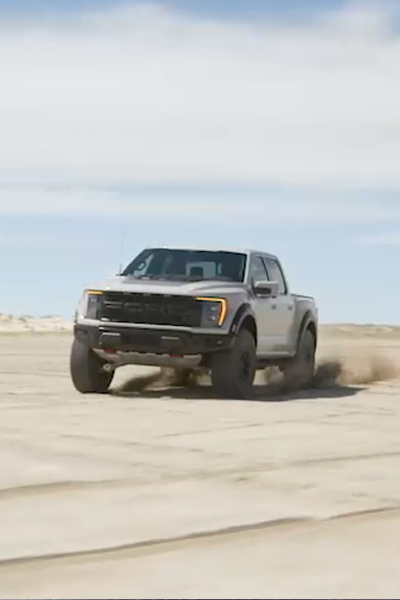
Off-roading events are perfect for testing your lifted truck’s capabilities and meet like-minded enthusiasts. Here are some of the most exciting and prestigious events in the USA.
Dixie Off-road Expo
Dixie Off-road Expo is a weekend-long event in Dixie, Southern Utah, where off-roading enthusiasts gather to show off their rides, get their hands on the latest gear, and participate in various off-roading events. It’s a celebration of off-roading culture, offering an unforgettable experience for all attendees.
King of the Hammers
Known as the most challenging one-day off-road race in the world, King of the Hammers is a must-attend event for any off-roading enthusiast. This race tests man and machine with grueling terrain that mixes high-speed desert racing and slow-speed rock crawling in California’s Johnson Valley.
Baja 1000+
One of the world’s most challenging and prestigious off-road races, the Baja 1000, is a point-to-point race that covers a thousand miles of Mexico’s Baja California Peninsula’s roughest terrains. It demands superb driving skills and a truck that can handle dunes, rocks, and washes.
Easter Jeep Safari
Although the name might suggest otherwise, the Easter Jeep Safari in Moab, Utah, is a fantastic event for all off-roading enthusiasts, not just Jeep owners. This nine-day event offers over 40 trails, ranging from easy scenic drives to difficult rock-crawling routes.
Texas Heatwave
This annual event in Austin, Texas, features a custom truck show, a burnout contest, and plenty of off-road trails. The Texas Heatwave is a perfect blend of performance and go, where lifted trucks are displayed and put through their paces.
Jeepers Jamboree
Jeepers Jamboree is a time-honored event on the renowned Rubicon Trail in California. Despite its Jeep-centric nature, all off-road vehicles, including lifted trucks, are welcome to join the adventure.
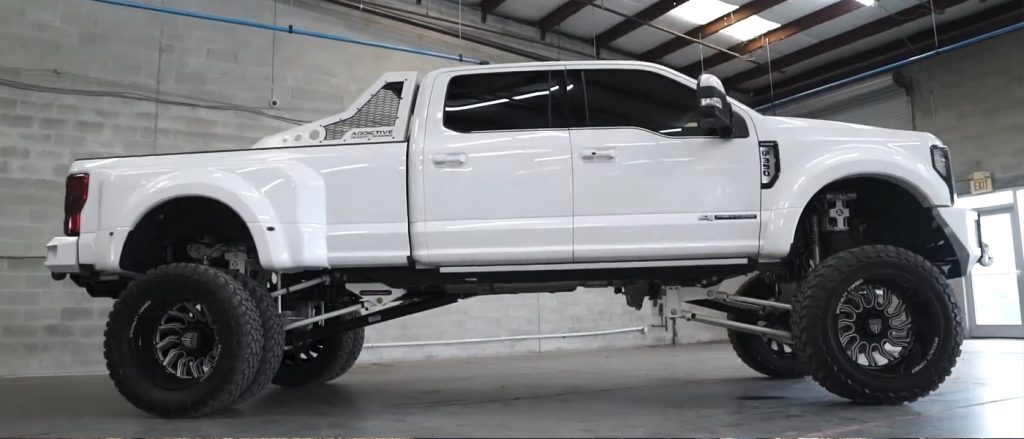
Sand Sports Super Show
This event is a paradise for dune lovers. Held in Costa Mesa, California, the Sand Sports Super Show features everything from dune buggies and sand rails to lifted trucks, making it a must-attend for those who love playing in the sand.
Overland Expo
The Overland Expo is a unique event that blends off-roading with overland travel. Here you can participate in off-road driving courses, discover the latest vehicle preparation and equipment, and connect with a community of overlanders.
Get Your Lifted Truck Ready for Floridian Trails
Florida offers some of the most diverse off-roading experiences with its unique terrain. Here’s a quick guide on preparing your lifted truck for some of Florida’s best trails.
Osceola National Forest
This forest has several off-road trails that meander through dense foliage and marshlands. Preparing your truck for this location involves ensuring your tires can handle muddy terrain and checking the waterproofing of your electrical systems.
Redneck Yacht Club Mud Park
Located in Punta Gorda, the Redneck Yacht Club Mud Park features three mud holes, an ATV track, and a truck mud track. Since the park’s main attraction is mud bogging, equip your lifted truck with mud-terrain tires and install a high air intake to prevent water from entering your engine.
Graveyard Mud Park
This park in Bartow, Florida, is the place to be if you love mudding. Similar to the Redneck Yacht Club Mud Park, preparing your truck for the Graveyard involves focusing on tires suited for muddy terrain and ensuring your truck’s waterproofing. In addition, having a winch installed can be a lifesaver in this challenging terrain.
Croom Wildlife Management Area
This 26000-acre site offers an extensive trail system suitable for off-road trucks. Aside from basic mechanical checks, it’s advisable to pack recovery gear like traction mats, tow straps, and a shovel, given the sandy soil that can cause your truck to get stuck.
Big Cypress National Preserve
Off-roading in the Big Cypress National Preserve can be tricky due to its protected status, so always be aware of the rules and stay on designated trails. Your truck should be equipped with good all-terrain tires, and, considering the possibility of water crossings, a snorkel would be a great addition.
Off-roading is an exhilarating sport, but safety should always be a priority. Equip your truck appropriately, maintain it regularly, and respect the environment you are exploring. Whether competing in the King of the Hammers, enjoying the vibrant atmosphere of the Dixie Off-road Expo, or navigating through Florida’s best trails, your adventure in a lifted truck will surely be unforgettable. Enjoy the ride!
Connect with us