Blog / Lifted Trucks

Blog

All Lifted Trucks Ford Dealer Pre-Owned Inventory New Inventory Used Cars News Fleet Service Ford Service Sarasota Ford Service Finance Parts Social People Body Shop Bronco F150 Explorer Community Events Testimonials 2025 Ford Ranger 2026 Ford F-250 2026 Ford F-250 Super Duty Ford Trucks Section 179 Tax Deduction 2025 Ford Explorer F-250 F-250 Super Duty Ford Explorer Ford Explorer MPG Mustang Mach E 2025 Ford Explorer Interior 2025 Ford Explorer MPG 2025 Ford Ranger Towing Capacity 2025 Ford Ranger vs Chevy Colorado 2025 Ford Ranger vs Toyota Tacoma 2026 ford explorer 2026 Ford F-250 Super Duty Weight 2026 Ford F-250 Towing Capacity 2026 Ford F-250 Weight Best Ford Customer Service Explorer Active Explorer ST F-150 Section 179 F-350 F-350 Super Duty F-450 F-450 Super Duty Ford Bronco Ford Explorer Interior Ford Transit Cargo Van Ford Work Truck Green Ranger
sarasota ford custom

Buying Tips: Suggestions and Advice for Purchasing a Lifted Truck

At Sarasota Ford, we believe lifted trucks are a popular choice among off-road enthusiasts and those seeking a unique, commanding presence on the road. However, purchasing a lifted truck can be a complex process that requires careful consideration and research. In this article, we'll provide valuable advice on what to look for in terms of quality, potential issues, and how to negotiate a fair price when purchasing a lifted truck. By following these suggestions, you can confidently buy a lifted truck that meets your needs and expectations. Understand the Purpose and Usage of the Lifted Truck You Want to Purchase Before diving into the specifics of purchasing a lifted truck, it's essential to understand your primary purpose for owning or purchasing a lifted truck. Are you looking for a truck for off-roading adventures, or do you want a lifted truck mainly for its aesthetic appeal? Knowing your intended usage will help you focus on the features and specifications that matter most to you and ensure that the truck you choose aligns with your needs. Check the Quality of the Lift and Suspension Components One of the most critical aspects of a lifted truck is the quality of its lift kit and suspension components. A well-installed, high-quality lift kit will provide a smooth ride, proper handling, and durability. To assess the quality of the lift and suspension components, consider the following: Research the brand and type of lift kit installed on the truck. Reputable brands and professionally installed kits are more likely to provide reliable performance and longevity. Inspect the suspension components for signs of wear, damage, or poor installation. Look for uneven gaps, loose bolts, or signs of rust and corrosion. Test drive the truck to evaluate its handling, ride quality, and overall performance. A well-lifted truck should drive smoothly without excessive body roll or vibrations. Evaluate the Condition of Tires and Wheels Lifted trucks often have larger, more aggressive tires and wheels, which can be expensive to replace. When purchasing a lifted truck, pay close attention to the condition of the tires and wheels: Check the tread depth and look for uneven wear patterns, which could indicate alignment issues. Inspect the wheels for signs of damage, such as bends, cracks, or excessive corrosion. Ensure that the tires are properly inflated and match the manufacturer's recommended specifications for the truck. Inspect the Drivetrain and Other Mechanical Components The added strain of a lift and larger tires can cause increased wear on a truck's drivetrain and other mechanical components. To ensure the lifted truck you're considering is in good condition, thoroughly inspect the following: Check the driveshafts, U-joints, and CV joints for signs of wear or damage. Inspect the engine, transmission, and differentials for leaks or other issues. Evaluate the condition of the truck's brake system, including pads, rotors, and fluid levels. Assess the Truck's Overall Condition and Maintenance History In addition to evaluating the specific components related to the truck's lift, it's crucial to consider the overall condition and maintenance / service history of the vehicle: Look for signs of rust, body damage, or poorly executed repairs, which could indicate underlying issues or neglect. Review the truck's maintenance records, if available, to ensure that it has been consistently maintained according to the manufacturer's recommendations. Obtain a vehicle history report to check for any previous accidents, title issues, or odometer discrepancies. Be Aware of Potential Legal and Insurance Issues Lifted trucks may be subject to unique legal and insurance requirements, depending on your location. Before purchasing a lifted truck, research your local laws and regulations regarding lifted vehicles, as well as any potential insurance implications: Verify that the truck's lift height and modifications comply with local laws and regulations, which may vary by state or municipality. Consult with your insurance provider to determine any potential impacts on your insurance premiums, coverage, or eligibility. Some insurers may charge higher rates for lifted trucks or require specific modifications to be covered. Ensure that the truck has passed any required inspections or certifications related to its modifications. This may include emissions testing, safety inspections, or vehicle registration requirements. Negotiating a Fair Price for Your Lifted Truck Once you've thoroughly evaluated a lifted truck's quality and condition, it's time to negotiate a fair price. Keep the following tips in mind to ensure you get the best deal possible: Research comparable lifted trucks in your area to determine the average market price. Factors such as the truck's make, model, age, mileage, and the quality of its modifications will all affect its value. Consider any necessary repairs or maintenance tasks that may need to be completed after purchase, and factor these costs into your negotiation. Be prepared to walk away from a deal if the seller is unwilling to negotiate or if the truck does not meet your standards for quality and condition. Don't be afraid to ask for concessions, such as having the seller complete specific repairs or maintenance tasks, or including accessories or upgrades as part of the deal. Summary - Sarasota Ford's Tips for Buying Lifted Trucks Purchasing a lifted truck from Sarasota Ford, or even any other dealer for that matter, can be an exciting and rewarding experience, but it also requires careful consideration and research. By following the suggestions and advice in this article, you can confidently evaluate the quality, potential issues, and value of a lifted truck, ensuring that you make an informed decision and negotiate a fair price. With the right lifted truck in your possession, you'll be ready to tackle any off-road adventure or simply enjoy the commanding presence of your unique vehicle on the road.

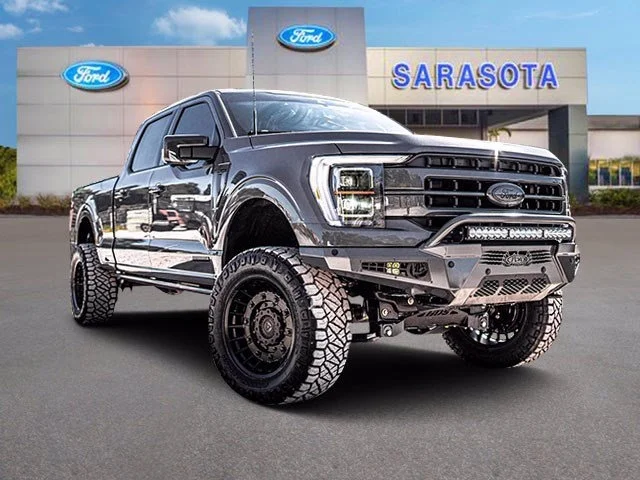
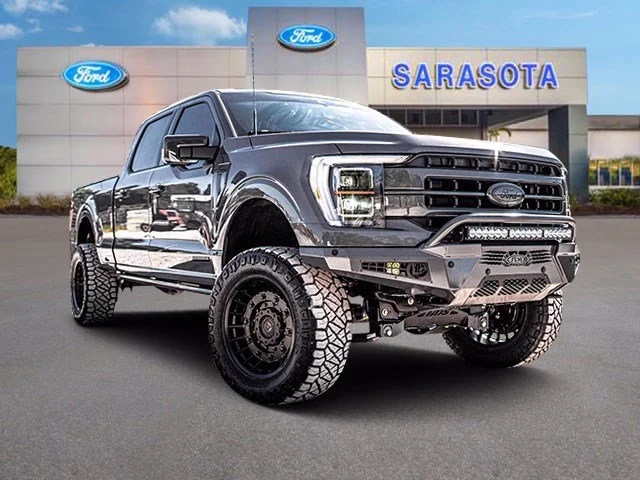
Lifted Ford F-150

Maintaining a Lifted Truck

Lifted trucks are a popular choice for off-road enthusiasts, as they offer a unique combination of style, performance, and versatility. However, owning a lifted truck also comes with a unique set of maintenance challenges. In this article, we'll provide a comprehensive guide on how to maintain a lifted truck, ensuring that it remains in top condition and delivers optimum performance. By following these essential tips, you'll be able to enjoy your lifted truck for many years to come. Understanding the Unique Maintenance Needs of Lifted Trucks Before diving into the specific maintenance tasks for your lifted truck, it's essential to understand why lifted trucks have unique maintenance requirements. When a truck is lifted, its suspension, drivetrain, and other components are modified to accommodate larger tires and increased ground clearance. These modifications can place additional stress on various parts of the vehicle, making regular maintenance crucial for ensuring the truck's longevity and performance. So You're Interested in Lifted Trucks? People buy lifted trucks in a variety of different shapes, sizes, and conditions. Yes, some are simply better than others, but all of these vehicles require the right maintenance. When you get your first lifted truck, it's important to understand exactly what maintenance procedures are required, when to do them, and how to do them. Regularly Inspect and Rotate Your Tires Lifted trucks often have larger, more aggressive tires than stock vehicles. While these tires provide improved off-road performance, they can also wear down more quickly and unevenly. To maintain optimal tire performance, regularly inspect your tires for signs of wear, such as uneven tread patterns or sidewall damage. Additionally, it's essential to rotate your tires every 5,000 to 7,000 miles to promote even wear and prolong their lifespan. Keep Your Suspension System in Check The suspension system of a lifted truck is crucial for providing a smooth and comfortable ride, as well as ensuring proper handling and control. To maintain your suspension system: Inspect your shocks and struts for leaks or damage. Replace them if necessary. Check the bushings and ball joints for excessive wear or play. Replace them if they show signs of wear. Look for signs of sagging or uneven suspension components, such as leaf springs or coil springs. Address any issues promptly to prevent further damage or performance issues. Pay Close Attention to Your Drivetrain Lifted trucks often experience increased stress on their drivetrain components due to the added weight and strain of larger tires. To maintain your drivetrain: Inspect your driveshafts and U-joints for signs of wear or damage. Replace them if necessary. Check your differential and transfer case fluids regularly, and change them according to the manufacturer's recommendations. Ensure your axles and CV joints are in good condition, and replace them if they show signs of wear or damage. Prioritize Brake System Maintenance With larger tires and increased ground clearance, lifted trucks often require more stopping power. It's crucial to regularly inspect and maintain your brake system to ensure optimal braking performance and safety. Key tasks include: Inspecting brake pads for wear and replacing them when necessary. Checking brake fluid levels and changing the fluid according to the manufacturer's recommendations. Inspecting brake lines and hoses for damage or leaks, and replacing them if needed. Stay on Top of Steering and Alignment Lifted trucks can be more susceptible to issues with steering and alignment due to the changes in suspension geometry. To keep your truck handling correctly and prevent premature tire wear, regularly inspect your steering components for signs of wear or damage. Additionally, have your truck's alignment checked and adjusted by a professional at least once a year or whenever you notice uneven tire wear, steering issues, or vibrations. Regularly Lubricate Chassis Components Lifted trucks often have additional chassis components, such as aftermarket control arms, sway bars, and track bars. These components may require regular lubrication to ensure smooth operation and prevent premature wear. Check your owner's manual or consult with a lifted truck specialist to determine the recommended lubrication schedule for your specific components. Regularly lubricating your truck's chassis components will help maintain proper function and prolong their lifespan. Keep Your Engine Running Smoothly While many maintenance tasks focus on the unique aspects of lifted trucks, it's still essential to stay on top of regular engine maintenance. This includes: Changing your engine oil and filter according to the manufacturer's recommendations or more frequently if you frequently drive off-road or in harsh conditions. Inspecting and replacing your air filter as needed to ensure proper airflow and engine performance. Checking and maintaining your cooling system, including the radiator, hoses, and coolant levels, to prevent overheating. Don't Neglect Your Lifted Truck's Exterior A well-maintained exterior is not only visually appealing but also essential for protecting your truck from the elements and potential off-road damage. To keep your lifted truck looking its best: Regularly wash and wax your truck, paying special attention to the undercarriage and wheel wells, where dirt and debris can accumulate. Inspect your truck's paint and bodywork for scratches, dents, or rust, and repair any damage promptly to prevent further issues. Ensure your aftermarket accessories, such as bumpers, light bars, or fender flares, are securely attached and in good condition. Summary - Learn the Proper Maintenance of Your Lifted Truck Maintaining a lifted truck involves a combination of regular vehicle maintenance tasks and specific attention to the unique components of lifted trucks. By following these essential tips by Sarasota Ford, and adhering to a consistent maintenance schedule, you can ensure that your lifted truck remains in top condition, delivering optimal performance and enjoyment for years to come. Remember, a well-maintained truck is not only more reliable and safe but also more likely to retain its value and appeal to potential buyers if you ever decide to sell.

Lifted Ford Trucks for sale Near Me

Suspension Lifts for Trucks - Boost Performance and Aesthetics

When it comes to modifying trucks, suspension lifts are one of the most popular upgrades enthusiasts pursue. A suspension lift not only elevates your truck's appearance but also enhances its off-road capabilities. In this comprehensive guide, we will explore the different types of suspension lifts, the benefits of lifting your truck, and some essential tips for choosing and installing the right suspension lift kit for your vehicle. What are Suspension Lifts? Suspension lifts are aftermarket modifications designed to raise a truck's ride height by altering its suspension system. This increase in height provides several benefits, including improved off-road performance, greater ground clearance, and the ability to fit larger tires. There are three primary types of suspension lifts: body lifts leveling kits full suspension lifts Each type offers its unique advantages and installation requirements. At Sarasota Ford, we can help you through this entire process. Body Lifts Body lifts are the most affordable and straightforward option for increasing your truck's height. They involve installing spacers between the truck's body and frame, raising the body without altering the suspension system. This lift type generally provides a 1 to 3-inch increase in height and is ideal for those seeking a more aggressive appearance without making significant changes to their truck's performance. Leveling Kits Leveling kits are designed to level the front and rear of your truck, as many trucks come from the factory with a slight downward rake. These kits typically involve adding spacers or new coil springs to the front suspension, raising the front end to match the rear height. Leveling kits offer a modest height increase of 1 to 3 inches and are an excellent option for those seeking improved aesthetics and a balanced stance without investing in a full suspension lift. Full Suspension Lifts Full suspension lifts provide the most significant height increase, ranging from 4 to 8 inches or more. These kits replace or modify various suspension components, including springs, shocks, control arms, and track bars, to achieve a more aggressive stance and improved off-road capabilities. Full suspension lifts are ideal for enthusiasts seeking maximum performance gains and the ability to fit substantially larger tires. Benefits of Suspension Lifts Installing a suspension lift on your truck offers several advantages, including: Improved Off-Road Performance: A higher ground clearance allows your truck to navigate rough terrain more easily, reducing the risk of damage from rocks, stumps, and other obstacles. Larger Tires: Suspension lifts enable you to fit larger, more aggressive tires, further enhancing your truck's off-road capabilities and appearance. Enhanced Aesthetics: A lifted truck stands out on the road, projecting a powerful and rugged image. Increased Towing Capacity: Some suspension lift kits are designed to improve your truck's towing capacity by leveling the vehicle and distributing weight more evenly. Choosing and Installing a Suspension Lift Kit To ensure a satisfying experience with your suspension lift, consider the following tips: Determine Your Goals: Before selecting a lift kit, define your objectives. Are you primarily interested in improved aesthetics or increased off-road performance? This will help you decide which type of suspension lift is best for your needs. Research Brands and Components: Not all suspension lift kits are created equal. Research reputable brands and the specific components included in their kits. Look for high-quality materials and well-engineered designs to ensure durability and performance. Consult a Professional: Suspension lifts can be complex, and improper installation can lead to safety issues and diminished performance. If you're not experienced in suspension work, consult a professional mechanic or off-road specialist to install your lift kit. Account for Additional Modifications: Installing a suspension lift may require additional modifications, such as adjusting the driveshaft angle, re-gearing the differential, or upgrading the braking system. Be prepared for these additional expenses and plan accordingly. Maintenance and Inspections: Regularly inspect your suspension system after installing a lift kit, checking for wear or damage to components. Proper maintenance is crucial for ensuring the safety and longevity of your lifted truck. Common Questions About Suspension Lifts For Trucks Are Lifted Trucks For Sale Expensive? The cost of a lifted truck can vary significantly based on several factors, such as the make and model of the truck, the type of suspension lift installed, the quality of the components used, and any additional modifications made to the vehicle. It is essential to note that lifted trucks can be either new or used, which will also impact the price. In general, you can expect to pay a premium for a lifted truck compared to a similar non-lifted vehicle. For example, a new lifted truck may cost anywhere from $5,000 to $15,000 or more above the base price of the non-lifted version. This price increase reflects the cost of the suspension lift kit, professional installation, and any other required modifications. Are Suspensions Lifts Considered Custom Vehicle Work? Yes, suspension lifts are generally considered custom vehicle work. Installing a suspension lift involves modifying the truck's suspension system to increase its ride height, which is not a standard feature on most vehicles. Suspension lift kits are aftermarket products, meaning they are not produced or installed by the original vehicle manufacturer. Custom vehicle work can range from simple modifications, like installing new wheels or changing the exhaust system, to more complex upgrades, such as suspension lifts, engine swaps, or extensive bodywork. Suspension lifts fall within this category because they require specialized knowledge and expertise to install correctly and safely. In some cases, suspension lifts may also necessitate additional modifications to the vehicle, such as adjusting the driveshaft angle or upgrading the braking system, which further classify them as custom work. What's Better - Suspension Lifts or Leveling Kits? The decision between a suspension lift and a leveling kit depends on your individual needs and preferences. Here are some key factors to consider when choosing between the two: Height: Suspension lifts offer greater height gains than leveling kits. If you want a significant increase in ride height, a suspension lift is likely the better option. Off-road capability: Suspension lifts are better suited for off-road use as they provide increased ground clearance, suspension articulation, and wheel travel. If you plan to do serious off-roading, a suspension lift is likely the better choice. Cost: Suspension lifts tend to be more expensive than leveling kits due to the additional components required, such as new shocks, springs, and control arms. On-road ride quality: Leveling kits are designed to level out the front and rear of the vehicle, which can improve the on-road ride quality. Suspension lifts, on the other hand, can negatively impact ride quality, making the ride stiffer and more bumpy. Appearance: Both suspension lifts and leveling kits can improve the appearance of your vehicle, but they do so in different ways. A suspension lift gives your vehicle a more aggressive and towering stance, while a leveling kit provides a more balanced and leveled appearance. Ultimately, the decision between a suspension lift and a leveling kit depends on your specific needs and preferences. If you want increased off-road capability and don't mind a stiffer on-road ride, a suspension lift may be the better choice. If you prioritize on-road ride quality and a more balanced appearance, a leveling kit may be the way to go. Summary - Sarasota Fords' Take on Suspension Lifts For Trucks At Sarasota Ford, we think suspension lifts offer truck enthusiasts the opportunity to improve both the appearance and performance of their vehicles. By understanding the different types of lifts and their benefits, you can make an informed decision about which option is best suited for your needs. Keep in mind the essential tips for choosing and installing a lift kit to ensure a safe and satisfying experience. With the right suspension lift, you can transform your truck into a more capable and eye-catching machine, ready to tackle any terrain with confidence. Remember that while suspension lifts can greatly enhance your truck's off-road capabilities and aesthetic appeal, it's crucial to select a high-quality kit and have it installed professionally. This ensures that your truck remains safe to drive and performs optimally, allowing you to enjoy the many benefits of a suspension lift without compromising safety or performance.

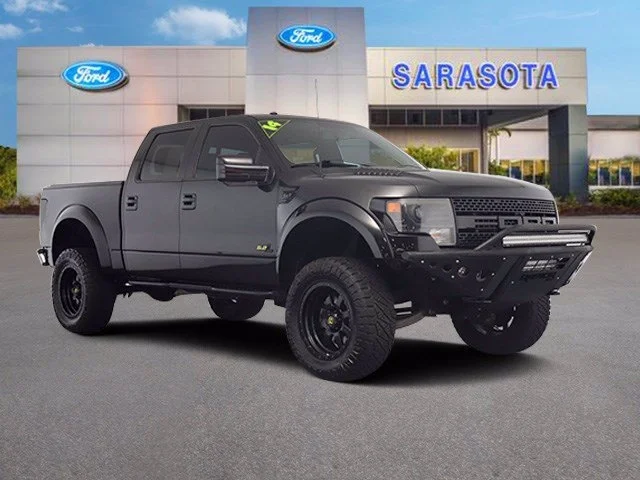
Lifted Ford F-150

What is a Lift Kit? All About Lifting Trucks

Are you an off-road enthusiast looking to upgrade or customize your vehicle? If so, investing in a suspension lift kit could be the answer you've been searching for. Lift kits provide an array of benefits, from improved performance to heightened ground clearance, making them essential accessories for any off-roader. In this guide, we'll explore the types of lift kits available, the benefits they offer, and the steps you need to take to install one. What is a Lift Kit? A lift kit is a modification to your vehicle's suspension system that raises the ride height. This is done by installing new components such as springs, shocks, and spacers. Lift kits come in different sizes, from a small 2-inch lift to a towering 12-inch lift. The amount of lift you choose depends on the type of driving you will be doing and the size of the tires you want to use. Benefits of Custom Lifted Trucks There are several benefits to owning a custom lifted truck. The most obvious is increased ground clearance, which allows you to drive over obstacles and rough terrain without scraping the bottom of your vehicle. A lift kit can also improve the overall look of your vehicle and give it a more aggressive stance. In addition, a lift kit can improve your vehicle's performance by allowing larger tires, which can increase traction and off-road capability. Types of Vehicles That Use Lift Kits Lift kits are commonly used on trucks and SUVs, but they can also be used on smaller vehicles such as Jeeps and ATVs. Any vehicle that will be driven off-road can benefit from a lift kit. Popular Lift Kit Brands for Off-Road Enthusiasts There are many brands of lift kits available, but some of the most popular for off-road enthusiasts include Rough Country, Skyjacker, and Fabtech. These brands offer a range of lift kits at different price points, so you can find one that fits your budget and driving needs. How Suspension Lift Kits Work Suspension lift kits are the most popular type of lift kit. They work by increasing the distance between the axles and chassis of your vehicle. This is done by replacing the suspension components, including the shocks, springs, and control arms. Suspension lift kits come in different sizes, from a mild 2-inch lift to a full 12-inch lift. Components of a Suspension Lift Kit The components of a suspension lift kit include shocks, springs, and control arms. The shocks are an essential part of the suspension system and help absorb the impact of bumps and rough terrain. The springs support the weight of the vehicle and determine the lift height. The control arms keep the wheels in place and allow for proper alignment. How a Suspension Lift Kit Affects Your Vehicle's Performance A suspension lift kit can improve the performance of your vehicle by increasing ground clearance and allowing for larger tires. The larger tires can provide better traction and off-road capabilities. Additionally, a suspension lift kit can improve the overall ride quality of your vehicle by increasing the suspension travel and reducing the impact of bumps and rough terrain. In conclusion, lift kits are a popular way to improve the performance and aesthetics of your vehicle. By choosing the right type and size of lift kit, you can increase your vehicle's ground clearance, off-road capabilities, and overall performance. It is important to choose a reputable brand and to have the lift kit installed by a professional to ensure safety and proper function. Benefits You Can Expect from a Suspension Lift Kit If you're looking to enhance your vehicle's off-road capabilities, installing a suspension lift kit may be just what you need. Suspension lift kits not only provide a more aggressive stance, but they also increase ground clearance and improve overall performance. An elevated suspension kit allows for larger wheels and tires which not only add a more intimidating look but also provide better traction and stability. Here are some benefits you can expect from a suspension lift kit: Common Issues You May Encounter When Installing a Suspension Lift Kit Before starting any installation, it's important to note some common issues that you may encounter when installing a suspension lift kit. One issue that many people come across is that their vehicle's driveline angle might be affected by the adjustment, causing vibration and noise in the vehicle. Another problem that could arise is your steering and suspension system may need modifications to properly handle the added weight and height. Finding Lifted Trucks Near You Looking for lifted trucks near your location? If so, contact us and we can point you in the right direction. We have decades of experience when it comes to lifted trucks, lift kits, and other custom work. We do the job right the first time, and stand by our work. Sarasota Ford should be your go-to choice for lift kits, and lifted vehicles, in general. Body Lift Kits vs Suspension Lift Kits Body lift kits essentially lift the body of the vehicle away from the frame, rather than the suspension itself. Suspension lift kits, on the other hand, raise the entire vehicle including the suspension, increasing ground clearance and wheel travel. Depending on your needs and preferences, either option may be suitable. Body lift kits tend to be more cost-effective, but suspension lift kits provide better performance and off-road capabilities. Coil Spring Lift Kits vs Leaf Spring Lift Kits Coil spring lift kits are great for daily driving since they offer a smoother ride, while leaf spring lift kits provide better off-road performance due to their ability to flex without damage. When deciding which type to choose, consider how you'll be using your vehicle most often. Long Arm vs Short Arm Suspension Lift Kits Long arm suspension lift kits provide the best overall off-road performance by increasing articulation and keeping the tires in contact with the ground. Short arm suspension lift kits, on the other hand, are often easier to install and provide a better ride for daily driving. Again, it's important to consider how you plan to use your vehicle before deciding on a kit. Installing a Suspension Lift Kit Steps to Take Before Installing a Suspension Lift Kit Before installing a suspension lift kit, there are some critical preparations you must undertake to ensure that the installation goes smoothly. First, measure the current ground clearance of your vehicle, so you can easily compare it to the final outcome after installation. It's also important to check the weight capacity of your axles since the added weight might make them weaker and more susceptible to failure. Tools and Materials Needed for a Suspension Lift Kit Installation One of the most important aspects of installing a suspension lift kit is having the right tools and materials on hand. Since suspension components tend to be bulky and heavy, you'll most likely require a hydraulic jack, jack stands, and several other hand tools like wrenches, sockets, and pliers. Additionally, safety gear such as gloves and eye protection is necessary. Get Your Truck Lifted at Sarasota Ford If you're not comfortable installing a suspension lift kit yourself, we can easily do this for you for a very reasonable charge. We install lifts, almost daily, on our lifted trucks for sale. If you don't choose us, thats okay, but please be careful when selecting the right shop or mechanic to avoid any issues or potential damages. Verify their experience, certifications, and track record before entrusting your vehicle with them. In conclusion, installing a suspension lift kit can greatly improve your vehicle's appearance and off-road performance. However, it's essential to understand the intricacies of different suspension lift kit types, common problems that may arise during installation, and the necessary steps to take for a successful installation. With the right tools, a bit of research, and proper safety precautions, you can transform your vehicle into a high-performance off-road machine! Suspension Lift Kits: Everything You Need to Know Before You Buy If you're an avid off-roader or someone who needs a little extra clearance to handle heavy loads, a suspension lift kit might be just what you need. These kits lift your vehicle's body and suspension from the frame, providing extra ground clearance, better steering and handling, and increased towing and hauling capabilities. But before you rush out and buy one, it's important to understand what to look for and how to choose the right kit for your specific needs. Enhanced Ground Clearance for Off-Road Adventures One of the major benefits of a suspension lift kit is gaining extra ground clearance. Off-roading can be a lot of fun, but it can also be challenging if you don't have enough clearance to navigate through rough terrain. A lift kit can provide the extra space you need to clear rocks, logs, and other obstacles that might be in your way. With more clearance, you can take your adventures to the next level and explore areas that were previously inaccessible. Improved Handling and Steering with a Suspension Lift Kit Another benefit of a suspension lift kit is that it can improve handling and steering. With a higher center of gravity, your vehicle can become more unstable, especially at higher speeds. But with the right lift kit, you can maintain a stable ride and get better control, even when navigating through tough terrain. This means you can avoid accidents and stay safe, no matter where your adventures take you. Increased Towing and Hauling Capabilities with a Suspension Lift Kit Finally, a suspension lift kit can provide increased towing and hauling capabilities. If you're someone who frequently tows or hauls heavy loads, a lift kit can give you the extra support you need. It can also help to distribute the weight more evenly, reducing strain on your vehicle's suspension and allowing you to tow or haul more weight than before. How to Choose the Right Suspension Lift Kit If you're convinced that a suspension lift kit is the right choice for you, the next step is to choose the right kit. Here are some factors to consider when making your purchase: Factors to Consider When Purchasing a Suspension Lift Kit - Your vehicle's make and model: Not all lift kits are suitable for all vehicles, so it's important to choose one that's designed specifically for your make and model. - The type of driving you do: If you're an avid off-roader, you'll need a different kit than someone who only needs a little extra clearance for towing or hauling. - Your budget: Lift kits can be expensive, so it's important to decide how much you're willing to spend before you start shopping. Understanding the Different Suspension Lift Kit Options Available There are many different types of suspension lift kits available, including: - Body lift kits: These lift the body of your vehicle off of the frame, but do not change the suspension. - Leveling kits: These lift the front of your vehicle to be even with the back, providing extra clearance without changing the overall height. - Suspension lift kits: These lift both the body and suspension of your vehicle, providing the most clearance and performance. Choosing the Right Suspension Lift Kit for Your Specific Vehicle and Needs To choose the right kit for your needs, it's best to consult with a professional mechanic or off-road expert. They can help you determine which kit is best for your specific vehicle and needs, and can also provide installation services to ensure that your kit is installed correctly and safely. Suspension Lift Kits: Are They Worth the Investment? While a suspension lift kit can provide many benefits, there are also some downsides to consider: Understanding the Pros and Cons of Using a Suspension Lift Kit Pros: - Improved ground clearance - Better handling and steering - Increased towing and hauling capabilities Cons: - Higher cost - Lower gas mileage - Potential for decreased stability and safety Ultimately, whether a suspension lift kit is worth the investment will depend on your individual needs and preferences. If you're someone who frequently goes off-road, tows or hauls heavy loads, or simply wants a more rugged and adventurous driving experience, then a suspension lift kit might be right for you. How a Suspension Lift Kit Can Affect Your Vehicle's Resale Value It's also important to consider how a suspension lift kit can affect your vehicle's resale value. While some buyers might be willing to pay extra for a lifted vehicle, others might be turned off by the modification. It's important to keep this in mind when deciding whether to invest in a lift kit, and to choose a kit that can easily be removed if necessary. In conclusion, a suspension lift kit can provide many benefits for off-roaders and those who need extra clearance and support for towing and hauling. But before you make your purchase, be sure to consider your vehicle's make and model, the type of driving you do, and your budget. And remember, always consult with a professional before making any modifications to your vehicle. Suspension Lift Kits: What You Need to Know If you’re considering a suspension lift kit for your vehicle, you should know that there are several factors to consider before making a purchase. While a suspension lift kit can enhance the off-road performance and appearance of your vehicle, there are also potential risks and drawbacks to be aware of. In this article, we’ll take a closer look at suspension lift kits, including common misconceptions, how they affect your driving experience, what you need to know before buying, legal regulations surrounding them, how to maintain and care for them, and potential risks and safety considerations. Common Misconceptions About Suspension Lift Kits and Their Long-Term Impact There are several misconceptions about suspension lift kits, one of which is that they can negatively impact the long-term durability and reliability of your vehicle. While it’s true that installing a suspension lift kit can alter the factory settings of your vehicle, leading to increased wear and tear on certain components, this is generally not a significant concern if the kit is installed by a reputable, experienced mechanic. Additionally, manufacturers usually engineer their suspension lift kits to be compatible with the original equipment on your vehicle, which means that they should not affect the long-term durability or reliability of your vehicle. How Suspension Lift Kits Affect Your Driving Experience Installing a suspension lift kit can have a significant impact on your driving experience. For starters, it can change the look and feel of your vehicle, making it more aggressive and imposing on the road. It can also improve off-road performance by providing greater ground clearance, allowing you to tackle more challenging terrain. However, there are also potential drawbacks to consider, such as reduced fuel economy and a rougher ride on the pavement. How a Suspension Lift Kit Changes the Look and Feel of Your Truck One of the most obvious benefits of a suspension lift kit is that it can dramatically alter the appearance of your vehicle. A lifted truck or SUV stands out on the road, making a statement and turning heads wherever you go. Additionally, the increased ride height can provide a more commanding view of the road, which can enhance the driving experience and make you feel more in control behind the wheel. The Impact of a Suspension Lift Kit on Your Vehicle's Fuel Economy It’s important to understand that installing a suspension lift kit can have a negative impact on your vehicle’s fuel economy. This is largely due to the fact that the additional weight of the kit, as well as the larger tires that are typically installed, can increase rolling resistance and reduce aerodynamics. As a result, you may see a decrease in miles per gallon, especially if you frequently use your vehicle for highway driving. Adjusting Your Driving Habits to Accommodate for a Suspension Lift Kit Once you’ve installed a suspension lift kit on your vehicle, it’s important to adjust your driving habits accordingly. For instance, since a lifted vehicle has a higher center of gravity, it may be more prone to tipping over during sharp turns or sudden maneuvers. Therefore, you should drive more cautiously and avoid taking turns too quickly. Additionally, you may need to make other adjustments, such as increasing your following distance to allow for the longer stopping distance that comes with larger tires. Understanding the Legal Regulations Surrounding Suspension Lift Kits Before purchasing and installing a suspension lift kit, it’s important to understand the legal regulations surrounding them. Different states have different laws regarding lift kits and other vehicle modifications, and violating these laws can result in fines or even impoundment of your vehicle. Therefore, it’s important to research your state’s laws and regulations before making a purchase, and to ensure that any kit you install is compliant with local laws. How to Properly Maintain and Service Your Lifted Vehicle To ensure that your suspension lift kit remains in good condition and performs as intended, it’s important to properly maintain it, and have it serviced as needed. Do not skip on this. This may involve regular inspections, including checking for leaks or other signs of damage, as well as keeping the kit clean and free of debris. Additionally, following the manufacturer’s recommended maintenance schedule can help prolong the life of the kit and prevent premature wear or failure. Potential Risks and Safety Considerations Associated with a Suspension Lift Kit Finally, it’s important to be aware of potential risks and safety considerations associated with a suspension lift kit. For instance, as mentioned earlier, a lifted vehicle may be more prone to tipping over during sudden maneuvers or sharp turns. Additionally, the larger tires that are typically installed with a lift kit can increase road noise and reduce handling on paved roads. Therefore, it’s important to weigh the potential benefits against the potential risks before deciding to install a suspension lift kit on your vehicle. In conclusion, if you’re considering a suspension lift kit for your vehicle, it’s important to do your research and fully understand the potential benefits and drawbacks. While a lift kit can enhance the off-road performance and appearance of your vehicle, there are also potential risks and safety considerations to be aware of. By staying informed and taking the necessary precautions, you can ensure that your suspension lift kit provides the desired benefits while minimizing the potential risks. Contact Sarasota Ford About Your Lift Kit Needs If you are interested in moving forward with purchasing lift kits, lifted trucks, or any other form of customization for your vehicle, contact Sarasota Ford. We are the premier lifted truck dealer of the Southeastern United States. If there is something you want done, we can do it, and do it well. Common Questions People Have About Lift Kits What does a lift kit do? A lift kit is an aftermarket modification that raises a vehicle's suspension or body to increase ground clearance and enhance off-road performance. By installing a lift kit, drivers can accommodate larger tires, improve the vehicle's approach, departure, and breakover angles, and prevent damage from obstacles like rocks and logs. Additionally, lift kits give vehicles a more aggressive and rugged appearance, which is often desired by off-road enthusiasts. Is a lift kit the same as suspension? A lift kit is not the same as suspension, but it is closely related. The suspension system in a vehicle is a complex assembly of components, such as springs, shock absorbers, and linkages, that connect the vehicle's body to its wheels, providing support, stability, and comfort. A lift kit, on the other hand, is an aftermarket modification specifically designed to raise a vehicle's suspension or body, improving ground clearance and off-road performance. Does a lift kit improve ride? A lift kit can improve the ride in certain off-road situations by increasing ground clearance and enhancing the vehicle's ability to tackle obstacles. However, it may also negatively impact the ride quality on paved roads, as lifting the vehicle can lead to a higher center of gravity, reduced handling, and increased body roll. Ultimately, the effect on ride quality depends on the type of lift kit used, the vehicle's suspension setup, and the intended driving conditions. What are the disadvantages of a lift kit? Reduced handling and stability: A lift kit raises a vehicle's center of gravity, which can lead to diminished handling, increased body roll, and a greater risk of rollovers, particularly during high-speed turns or emergency maneuvers. Altered suspension geometry: Lifting a vehicle can change the suspension geometry, potentially causing uneven tire wear, increased stress on suspension components, and the need for frequent alignments. Decreased fuel efficiency: A higher stance may increase wind resistance, which can negatively impact a vehicle's fuel efficiency and overall performance. Warranty issues: Installing a lift kit can void the manufacturer's warranty on some parts of the vehicle, especially if the lift kit causes damage or excessive wear. Legal restrictions: Some regions have laws limiting the height of lifted vehicles, so it is important to check local regulations before installing a lift kit to ensure compliance and avoid potential fines or penalties.

Contact Us

Fill out this form below and we'll contact you shortly
*Required Fields
Hours