Blog / Lifted Trucks

Insurance and Registration For Lifted Trucks

sarasota ford custom

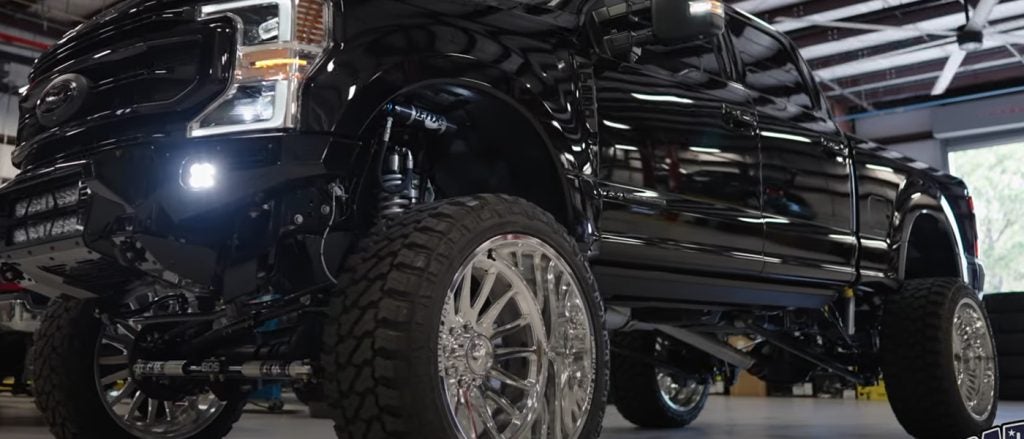
Lifted trucks, with their enhanced off-road capabilities and striking appearance, are increasingly popular among truck enthusiasts. However, owning a lifted truck comes with unique insurance and registration requirements that may differ from those of a standard truck. This article by Sarasota Ford will provide an in-depth look at the types of insurance and registration needed for lifted trucks, factors affecting coverage and costs, and how to comply with state regulations. By understanding these requirements, you can protect your investment and ensure a smooth ownership experience.

Types of Insurance for Lifted Trucks

Liability Insurance

Liability insurance is mandatory for all vehicle owners, including lifted trucks, and provides coverage in case you're at fault in an accident that causes injury or property damage to others. Most states require a minimum amount of liability coverage, which typically includes both bodily injury and property damage liability.

Collision and Comprehensive Insurance

Collision insurance covers damages to your lifted truck resulting from a collision with another vehicle or object, while comprehensive insurance covers non-collision related damages, such as theft, vandalism, or natural disasters. These types of coverage are optional but recommended for lifted truck owners, especially if the vehicle is financed or leased.

Custom Parts and Equipment Coverage

Lifted trucks often feature custom parts and modifications that can significantly increase their value. Standard insurance policies may not cover these customizations, so it's essential to consider adding custom parts and equipment coverage to your policy. This type of coverage protects the investment you've made in your truck's modifications and ensures you're adequately compensated in the event of a loss.

Factors Affecting Insurance Costs and Coverage for Lifted Trucks

The Extent of Modifications on Your Lifted Vehicle

The extent and cost of the modifications on your lifted truck can directly impact your insurance premiums. Heavily modified trucks are often perceived as riskier by insurance providers, leading to higher premiums. To get the best coverage and rates, be transparent about all modifications when obtaining quotes from insurance companies.

How Much Did You Purchase Your Lifted Truck For?

When you paid for your lifted truck, you can use that value to help quote insurance policies. These policies are based off of what you would like to recover, financially, incase of a loss of that truck. Generally speaking, the more expensive the vehicle, the more expensive the insurance - to a degree.

Safety and Compliance

Insurance companies are more likely to offer favorable rates and coverage if your lifted truck complies with state and federal safety regulations. Ensuring your truck meets all requirements, such as maximum height restrictions and proper lighting, can help lower your insurance costs.

Driving Record and Experience

Your driving record and experience will also impact the cost of insurance for your lifted truck. A clean driving record and a history of responsible vehicle ownership can lead to lower premiums. In contrast, a history of accidents or traffic violations can result in higher insurance costs.

Location You Drive Your Lifted Trucks

The location where you live and drive your lifted truck can influence insurance rates. Areas with higher crime rates or a higher likelihood of natural disasters may result in higher premiums due to the increased risk of theft, vandalism, or damage.

Registration Requirements for Lifted Trucks

Does Your Truck Comply with State Regulations?

Each state has its own set of regulations governing lifted trucks, including maximum height restrictions and equipment requirements. Before registering your lifted truck, ensure it complies with your state's regulations to avoid potential fines or penalties.

Vehicle Inspection

Some states require a safety inspection for modified vehicles, including lifted trucks, before they can be registered. During the inspection, a certified mechanic will verify that your truck meets all safety and equipment requirements. If your truck fails the inspection, you'll need to make the necessary adjustments before attempting to register the vehicle.

Registration Fees

Registering a lifted truck typically involves paying a registration fee, which can vary depending on your state and the value of your vehicle. Be prepared to pay this fee when registering your lifted truck, and keep in mind that some states may charge higher fees for modified vehicles.

Before registering your lifted truck, you'll need to provide proof of insurance that meets your state's minimum coverage requirements. Make sure to obtain the appropriate insurance coverage for your lifted truck, considering the factors discussed earlier in this article.

Is There Emissions Testing In Your Area?

Depending on your state's regulations, you may also need to complete an emissions test before registering your lifted truck. This test ensures that your vehicle meets the required emissions standards, helping to reduce air pollution. Be prepared to provide proof of passing the emissions test when registering your truck.

Tips for Ensuring Compliance and Reducing Insurance Costs on Lifted Vehicles

Research State Regulations

Before modifying your truck or purchasing a pre-lifted truck, research your state's regulations governing lifted trucks. Familiarize yourself with the maximum height restrictions, equipment requirements, and inspection procedures to ensure your truck complies with all regulations.

Maintain a Clean Driving Record

A clean driving record can help reduce insurance costs for your lifted truck. Practice safe driving habits, obey traffic laws, and avoid speeding or reckless driving to maintain a positive driving history.
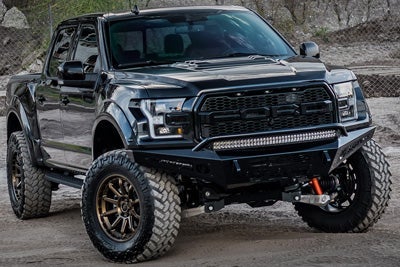
lifted truck

Compare Insurance Quotes

Shop around and compare insurance quotes from multiple providers to find the best coverage and rates for your lifted truck. Be transparent about the modifications on your truck and consider adding custom parts and equipment coverage if necessary.

Bundle Insurance Policies

If you have multiple insurance policies, such as home, auto, and life insurance, consider bundling them with the same provider. Many insurance companies offer discounts for customers who have multiple policies, which can help reduce the overall cost of insuring your lifted truck.

Summary - What Kind of Insurance and Registration Do I Need For My Lifted Truck?

Owning a lifted truck comes with unique insurance and registration requirements that differ from those of standard trucks. Understanding these requirements, including the types of insurance coverage needed and the factors affecting costs, is crucial for protecting your investment and ensuring compliance with state regulations. By following this essential guide and keeping the provided criteria in mind, you'll be well-equipped to navigate the insurance and registration process for your lifted truck, ensuring a seamless ownership experience and peace of mind on the road.
Posted in:

Related Posts

buying-a-lifted-truck

Buying A Lifted Truck from Dealerships: Here’s What You Should Know

When it comes to buying lifted trucks, options are usually divided between two primary sources: dealerships and private sellers. Each presents a unique set of advantages and disadvantages. Here, we'll delve into these aspects to give you a comprehensive understanding of both venues so you can make an informed decision. more Benefits Of Buying A Used Lifted Truck From A Dealership Purchasing a lifted truck from a dealership provides several benefits. Firstly, dealerships offer various options in terms of brands, models, and specifications, giving you more choices to match your specific needs. They also tend to have rigorous inspection and refurbishing processes to ensure the quality of the vehicles they sell. Dealerships also offer vehicle warranties, giving you peace of mind knowing that if a major issue arises, it may be covered at little or no cost to you. Additionally, dealerships may offer certified pre-owned vehicles that have been inspected thoroughly and have an extended warranty. Also, when buying from a dealership, you can leverage their relationships with financial institutions for more flexible financing options, which is often impossible with private sellers. Why Work With Car Dealership VS. a Private Seller The choice between a dealership and a private seller largely depends on individual demands. Here are some essential factors to consider: Inventory they Offer Dealerships typically offer a wider selection of lifted trucks, encompassing various brands, models, and conditions. You can even find lifted trucks from different years with varying heights and from multiple brands, all in one place. On the other hand, private sellers usually have fewer options available, typically limited to the vehicle they’re currently selling. Financing options Dealerships usually have partnerships with multiple lending institutions, offering various financing options. They can even assist in securing a loan with competitive interest rates, often customizing loan terms based on your budget and financial situation. On the other hand, transactions with private sellers are typically cash-based or require upfront personal financing, limiting the flexibility for most buyers. Trade-in policies One of the best parts about working with a dealership is the option to trade your current vehicle as a part of the transaction. This convenience can significantly reduce the out-of-pocket cost of your new lifted truck. Private sellers are unlikely to consider a trade-in, which means you would need to sell your current vehicle separately. Tips For Buying Lifted Trucks Whether you choose to purchase from a dealership or a private seller, here are a few essential tips for buying lifted trucks: Inspect the Truck Thoroughly: Look for any signs of rust, especially on the underside. Check the condition of the lift kit and the suspension. Pay attention to the engine, transmission, and other mechanical components. A pre-purchase inspection by a professional is highly recommended. Ask for Service Records: Service records can give you an idea about the truck's maintenance history. Regular service indicates a well-maintained vehicle. Understand the Lift: Ask who performed the lift, what components were used, and if there have been any issues. A professionally installed lift using quality parts is less likely to cause problems. Test Drive: This is crucial for lifted trucks to ensure that the suspension and handling feel right. Be aware of any unusual noises, vibrations, or performance issues. Consider Insurance and Registration: Remember that lifted trucks might attract higher insurance premiums and may face restrictions in certain jurisdictions. There’s no denying that buying a lifted truck is a significant investment that requires careful consideration. Whether you choose a dealership or a private seller, it’s vital to conduct thorough research, inspect the vehicle carefully, and consider all the costs involved. Knowing what to expect can help reduce uncertainty and make the buying process smooth and enjoyable. Choosing between a dealership and a private seller comes down to what is more important to you as a buyer. Dealerships offer an extensive selection of brands, different financing options, and trade-in opportunities. They provide a certain level of security with warranties, particularly for certified pre-owned vehicles. On the other hand, private sellers may offer a lower price but with more inherent risk due to the lack of warranties and support after the sale. Remember, with private sellers, once the deal is done, any issues that arise are yours to handle. In conclusion, buying a lifted truck can be a gratifying experience, especially when you find the perfect vehicle that meets your needs and lifestyle. As with any significant investment, knowledge is power. Understanding what to expect from dealerships and private sellers, knowing your financing options, and having a strong grasp of trade-in policies can significantly impact your purchasing journey. So, whether you decide to go for the vast inventory of a dealership or the possibly lower price from a private seller, you are ready to make the best choice and enjoy your new ride to the fullest!

Lifted-Truck

How to Locate Local Lifted Truck Clubs in Your Area

For many, lifted trucks are more than just vehicles – they symbolize a lifestyle and a community. These high-rising beasts command attention on the road and create opportunities for like-minded individuals to connect, share experiences, and learn from each other. This blog post will guide you through various ways to find lifted truck clubs in your local area and how you can utilize these clubs to enhance your lifted truck journey. more How a Lifted Truck Club Can Provide Opportunities for Socializing, Learning, and Sharing Experiences Lifted truck clubs are not just about flaunting powerful trucks. They are also platforms for enthusiasts to socialize and create meaningful connections. Members often share a common passion for all things lifted trucks, fostering a unique camaraderie. This bond extends beyond club meetings, often forming friendships that last a lifetime. Moreover, these clubs provide avenues for learning. Veteran members share their knowledge about the latest modifications, maintenance techniques, and driving tips. For beginners, this knowledge can be invaluable. They are also in a safe space to share personal experiences and stories, which enriches the community culture. How to Use Online Resources to Find Local Lifted Truck Clubs The internet is a treasure trove of information when it comes to finding local lifted truck clubs. Here are some ways to use it: Search Engines: Type "lifted truck clubs near me" into your favorite search engine and peruse the results. Look for club websites, local event listings, and social media pages related to lifted trucks. Social Media: Many clubs maintain social media profiles that announce meet-ups, share photos, and engage with the community. Facebook, Instagram, and Twitter are good starting points. Online Forums: Websites like Reddit have various subreddits dedicated to lifted trucks. These can be excellent resources for finding local clubs. Club Directories: Some websites offer directories of local clubs. Simply input your location to find clubs near you. Benefits of Attending Local Events to Network Attending local events is a fantastic way to network and engage with the lifted truck community. These events often feature demonstrations, competitions, and opportunities to see a variety of lifted trucks up close. You might meet dealerships and private sellers who can provide insights into different models, modifications, and accessories. Beyond this, local events are also excellent for establishing contacts within the industry. Networking can lead to discovering local mechanics, parts suppliers, and other valuable contacts who can support you in your lifted truck journey. Seek Recommendations from Likeminded Peers Your peers are some of your best resources for finding lifted truck clubs. Those who share your passion will likely have already researched and can provide valuable recommendations. Attend local automotive events or visit local dealerships and ask for suggestions. You could also consider reaching out to lifted truck owners you meet on the road – they are often more than happy to share their knowledge and experiences. Join Diverse Online Communities of Lifted Truck Enthusiasts Aside from local clubs, consider joining diverse online communities of lifted truck enthusiasts. Websites and forums like Reddit and 4chan have thriving communities dedicated to lifted trucks. These platforms are not restricted by location, allowing you to interact with enthusiasts worldwide. You can learn from their diverse experiences, discover new trends, and find inspiration for your truck. In conclusion, finding a local lifted truck club can open many opportunities for enthusiasts. Whether you're looking to socialize, learn, or share experiences, there's a club out there waiting for you. So start your search today, and immerse yourself in the vibrant, welcoming community that lifted truck enthusiasts have to offer. As you navigate your lifted truck journey, remember that each club and community has a unique vibe and culture. Some focus more on off-roading adventures, while others lean towards showcasing vintage trucks or discussing the latest truck accessories and technologies. Hence, it may be worth exploring multiple clubs and communities to find one that aligns with your interests and passions. It's also essential to note that participation in these clubs isn't merely a one-way street. As much as you stand to learn and benefit from others, your unique experiences and perspectives can also enrich the club. Engage actively by sharing your experiences, participating in discussions, or volunteering for club activities. The more you put in, the more rewarding your experience will be. Local lifted truck clubs also often engage in community service activities, such as charity drives or community cleanup days. These activities present an excellent opportunity to give back to your community while bonding with fellow club members. Furthermore, clubs often arrange group trips, where members get to hit the road together. These trips can be a fantastic way to put your lifted truck to the test and learn from others in real-life situations. Not to mention, they are also a lot of fun! In summary, finding and joining a local lifted truck club can significantly enhance your enjoyment and understanding of your lifted truck. The blend of socializing, learning, and sharing experiences within these clubs can offer you a rewarding journey into the world of lifted trucks. Whether you're a seasoned trucker or a novice just starting, there's a place for everyone in the lifted truck community. So, gear up, research, and dive headfirst into the exciting world of lifted trucks. You're in for a ride you will remember for a lifetime.

Body Lift Kits Basics: Everything You Need To Know

In recent years, automotive customization has become increasingly popular, and body lift kits have emerged as a key part of this trend. Lift kits offer an excellent solution for off-road enthusiasts or anyone looking to enhance their vehicle's aesthetic and functionality. Let's delve into what they are, how much they cost, their height limits, what "belly up" means, their impact on suspension and ground clearance, and their many benefits. Body Lift Kits Body lift kits are aftermarket products designed to raise a vehicle's body by adding spacers or blocks beneath the frame. This increases the distance between the vehicle's body and the wheels, allowing for larger tires and giving the vehicle a more aggressive, off-road look. A kit generally includes the necessary hardware like spacers, bolts, and brackets, but the specifics can vary between kits and vehicle models. Some kits also come with extended brake lines or shift linkages if necessary. Cost The price of a body lift kit can vary widely depending on the type, quality, brand, and vehicle model it's designed for. On average, basic kits can start from $100, while more comprehensive kits, particularly for larger trucks or SUVs, can cost several hundreds or even thousands of dollars. The cost for professional installation can also range from $200 to $800, depending on the complexity of the lift. Keep in mind that this is a one-time investment that can significantly enhance your vehicle's performance and aesthetic appeal. Height Limits Height limits are important to consider when purchasing a body lift kit. Typically, body lift kits allow for lifts between 1 to 3 inches. Going beyond this could compromise the safety and functionality of the vehicle, as it increases the center of gravity and could make the vehicle unstable. Before deciding on a lift height, it's essential to research your vehicle's specifications and the recommendations of the lift kit manufacturer. The Concept of Belly Up "Belly up" is a term often used in off-road circles, referring to increasing the clearance under the belly of the vehicle – essentially the lowest point of the chassis. This differs from a standard body lift, as the intention is not to fit larger tires but to prevent the undercarriage from getting caught or damaged on rough terrain. This is particularly valuable for rugged off-roaders tackling rocky or uneven surfaces regularly. Role of Suspension in Body Lifts While body lift kits focus on lifting the body from the frame, they do not alter the vehicle's suspension. This means they generally do not affect the vehicle's ride quality or handling characteristics. However, consider a suspension lift kit or a more significant lift for improved suspension performance. This replaces or modifies components of the vehicle's suspension system, resulting in a higher lift and potentially better off-road performance at a higher cost. Importance of Ground Clearance One of the key benefits of a body lift kit is increased ground clearance. While the actual ground clearance - the distance from the ground to the lowest part of the vehicle - doesn't change, the body lift allows for the fitting of larger tires, which effectively raises the vehicle's ground clearance. This will enable you to navigate obstacles and rough terrain more quickly, making your vehicle more versatile and capable in off-road situations. Benefits of Lifting Your Vehicle Lifting your vehicle with a body lift kit offers several advantages. Firstly, it enhances the vehicle's aesthetics, giving it a more rugged, commanding appearance. It allows installing larger, more aggressive tires to improve traction and off-road capability. Additionally, the increased height provides a better view of the road, potentially improving safety. Lastly, providing additional room under the vehicle can make undercarriage repairs and maintenance more accessible. Beyond practical benefits, a body lift can significantly increase the pleasure and thrill of driving. Whether cruising through the city streets or venturing into off-road territory, a lifted vehicle can add a new dimension to the driving experience. However, it's crucial to remember that any vehicle modification should be made carefully. While body lift kits offer many benefits, they also have challenges. A lift could alter the vehicle's handling characteristics and increase the risk of rollovers due to the higher center of gravity. Therefore, drivers of lifted vehicles should exercise caution and adapt their driving to account for these changes. Moreover, before purchasing a body lift kit, check local regulations. Some regions restrict vehicle modifications, including how much a vehicle can be lifted. In conclusion, body lift kits can provide a cost-effective way to enhance your vehicle's appearance and off-road capability. They offer the opportunity to personalize your vehicle and make it uniquely yours. Whether you're an off-road enthusiast seeking greater performance or simply looking to customize your ride, a body lift kit could be the perfect solution. As always, research thoroughly and consult with professionals to ensure you make the best decision for your vehicle and driving needs. Remember, the journey of customization is just as exciting as the destination. Enjoy the process, and happy driving!

Hours